
The Federal Cabinet approved the draft for an AI Migration Management Act at the end of July, which allows the Federal Office for Migration and Refugees (BAMF) and the immigration authorities to use artificial intelligence in asylum and residence procedures.
After the summer break, the Bundestag will discuss the draft. Human rights organizations warn of discrimination and lack of control in decisions regarding residence and deportation.
AI is meant to make asylum procedures more uniform
The draft law from the Federal Ministry of the Interior was submitted at the end of June as a discussion draft for stakeholder consultation, and the Cabinet approved it on July 29, 2026.
It provides for three areas of application. First, authorities may use personal data from asylum procedures to develop, train, and test AI systems.
Second, the law allows for automated monitoring of procedural processes aimed at identifying discrimination patterns. Third, authorities may automatically cross-check publicly available internet data when there are doubts about the information provided by applicants.
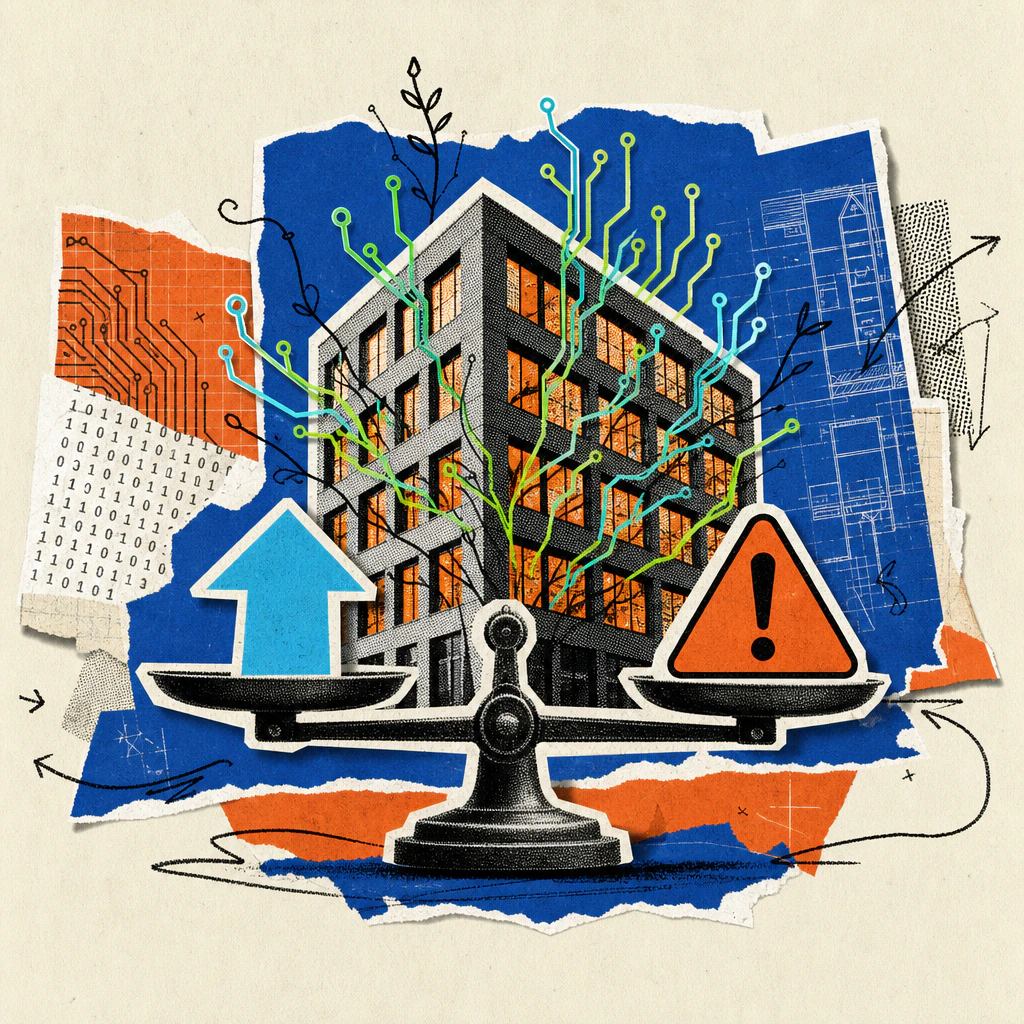
Affected are asylum seekers, visa applicants, individuals with toleration status, and holders of residence permits; the regulations apply nationwide to the BAMF and the immigration authorities of the states. According to the federal government, the aim is to make procedures more efficient, uniform, high-quality, and secure; the final decision on individual cases remains with human caseworkers.
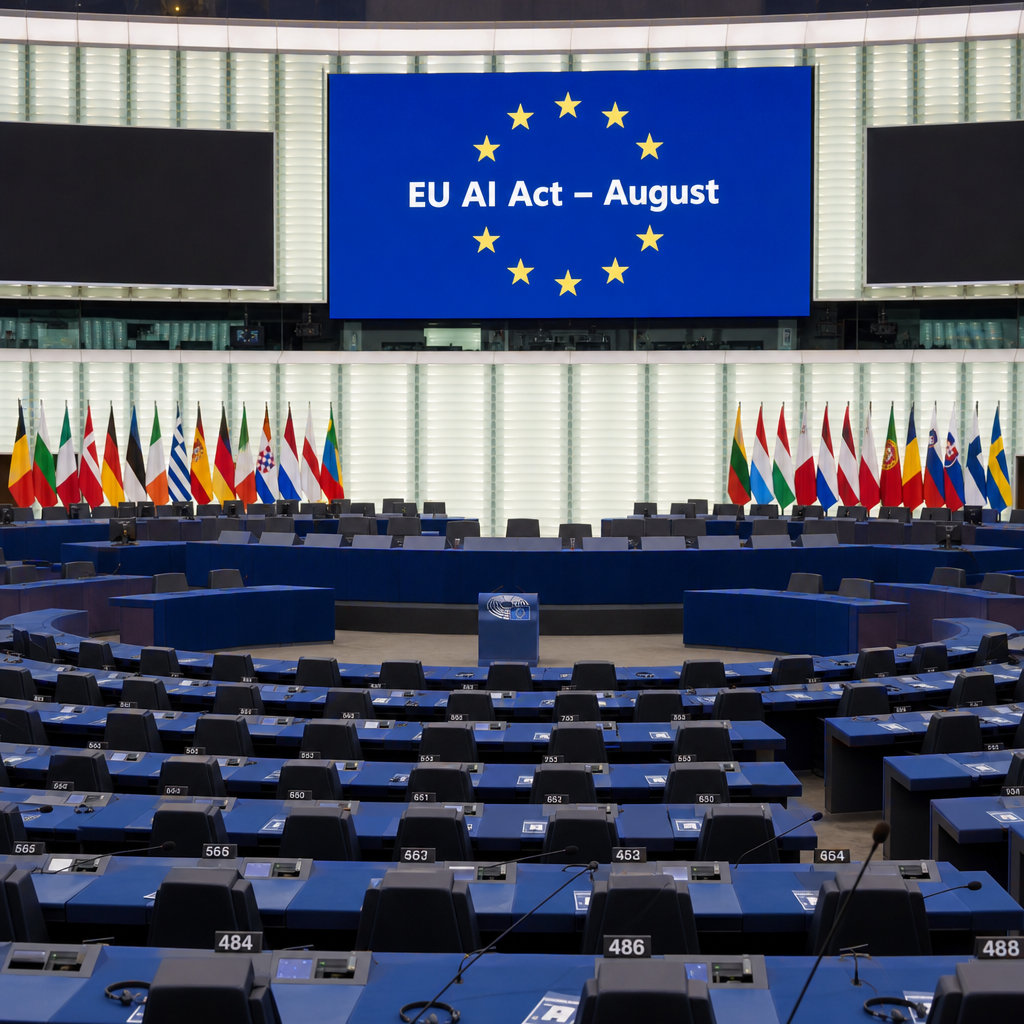
The EU AI Act classifies systems for reviewing asylum, visa, and residence applications in Annex III as fundamentally high-risk; under the Digital Omnibus approved in the summer, the full obligations for standalone high-risk systems will only take effect from December 2027.
Until then, the German law primarily regulates the national legal basis for data usage. The Bundestag will discuss the draft after the summer break; a date for the first reading has not yet been set.
Critics warn of loss of control
Pro Asyl legal policy spokesperson Wiebke Judith criticizes the draft as a "blank check for the application of AI for numerous authorities" and calls it highly dangerous. Nora Oppermann from AlgorithmWatch states that the draft allows for the systematic use of personal data of people seeking protection for barely tested systems.
The Federal Commissioner for Data Protection warns that efficiency must not come at the expense of constitutional principles. The Federal Anti-Discrimination Commissioner, Ferda Ataman, also considers the proposed safeguards against discriminatory algorithms insufficient.
Sarah Lincoln of the Gesellschaft für Freiheitsrechte (Society for Civil Rights) warns of error-prone, discrimination-prone systems being deployed precisely in asylum procedures, while Amnesty International expert Lena Rohrbach criticizes gaps in transparency and legal protection.
In the Bundestag, the Left Party's domestic-affairs spokesperson, Clara Bünger, also doubts whether authorities are adequately staffed for responsible use. The governing CDU/CSU and SPD factions defend the draft as a necessary step to speed up overloaded procedures.
Critics unanimously demand comprehensible rules on who may use which AI for what purpose, as well as effective legal remedies for those affected. Integration Commissioner Natalie Pawlik, by contrast, sees opportunities: automation could reduce processing backlogs and shorten waiting times.
Foreign examples show discrimination risks
Similar systems have already led to allegations of discrimination abroad. The Dutch Ministry of Foreign Affairs has used a risk-profiling system for short-stay visas since 2015 that automatically classified unmarried Nepali men aged 35 to 40 and Surinamese men aged 26 to 40 as a risk group; according to research by Lighthouse Reports, the ministry's own data protection officer had already warned of ethnic discrimination back in 2023.
In the United Kingdom, the Home Office has been testing facial recognition for age estimation since 2026, due to enter regular use at the border from 2027; child-protection organizations fear the technology could wrongly classify minors as adults, even though the British government says it is meant only to supplement a human assessment.
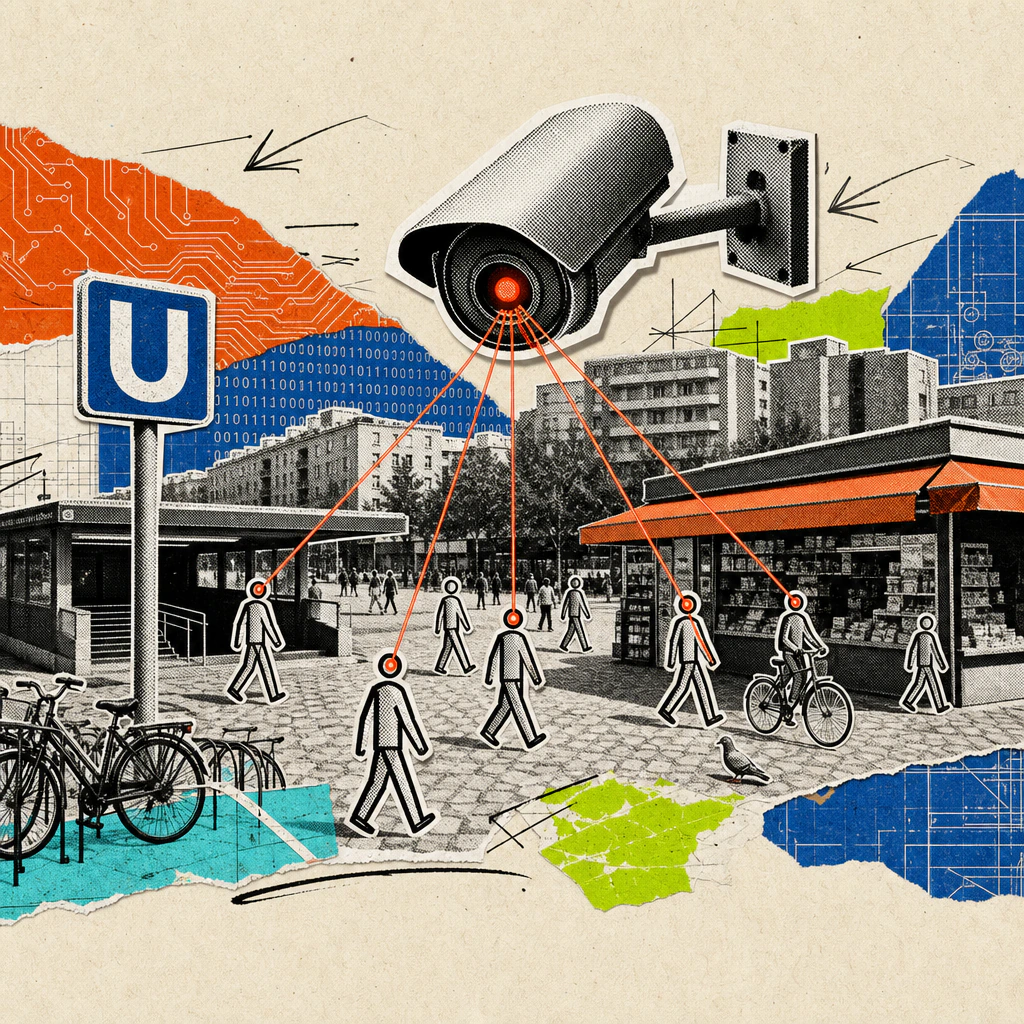
Critics point to these cases as a warning that automated systems can absorb and reinforce existing biases in administrative data when control mechanisms are lacking. Within Germany, too, authorities are widening their use of AI on the public: in August, the Berlin police launched AI-assisted video surveillance at Kottbusser Tor, whose effectiveness critics likewise doubt.
The German government, by contrast, points to the retained human final decision as a safeguard against such outcomes. For Germany, it remains independently unverifiable how many procedures will actually be handled with AI support in the future, as the draft sets no target figures.
It will be decisive whether the Bundestag pushes through improvements to discrimination protection and control mechanisms after the summer break before the law takes effect. A date for the first reading has not yet been set.
It also remains open whether the human final responsibility envisaged in the draft actually holds up in administrative practice once caseworkers under time pressure start adopting automated recommendations.