
Update, August 24, 2026: Two statements in this piece have been overtaken by events. First, the EU AI Act's obligations for high-risk systems did not take effect in August 2026 as originally planned – the "Digital Omnibus" pushed them to 2027/2028; what has been in force since August 2, 2026, are the transparency obligations under Article 50. Second, the next Gigafactory round now has firm dates: the EU call for up to seven AI gigafactories opened on July 30, 2026, bids are due November 12, 2026, and the site decision is expected in early 2027. The federal government has since raised its funding contribution to one billion euros.
Germany has not failed at a single point in artificial intelligence – it has become entangled over the years in a chain of decisions, the consequences of which are now, in mid-2026, clearly visible. To put it in context: "wrong decision" is always a judgment in hindsight.
Much of what is stated here was controversial at the time of the decision and remains so to this day. Therefore, I will try to consider the counter-perspective for each point.
1. Bet everything on a "national champion"
Few stories symbolize German AI policy as much as Aleph Alpha. The start-up, founded in Heidelberg in 2019, was declared by politics and business to be the European answer to OpenAI and raised around half a billion by the end of 2023 – with Schwarz Group, SAP, and Bosch on board, later also Deutsche Bank.
However, a single company cannot replace an entire ecosystem. In September 2024, Aleph Alpha abandoned the construction of its own top language model and became a platform and orchestration company for authorities and corporations.
In 2025, founder Jonas Andrulis lost operational leadership, and in early 2026, he left the company entirely; the Schwarz Group became the dominant anchor investor. In January 2026, a wave of layoffs followed, affecting around 50 positions.
Investor Fabian Westerheide pinpointed the design flaw: too much expectation had been projected onto a single company from the beginning – a figurehead to calm the public instead of investing in the breadth of an ecosystem.
Counter-perspective: Aleph Alpha's pivot to secure, EU-compliant administrative and industrial applications may prove to be economically wiser than a futile arms race against US billion-dollar budgets.
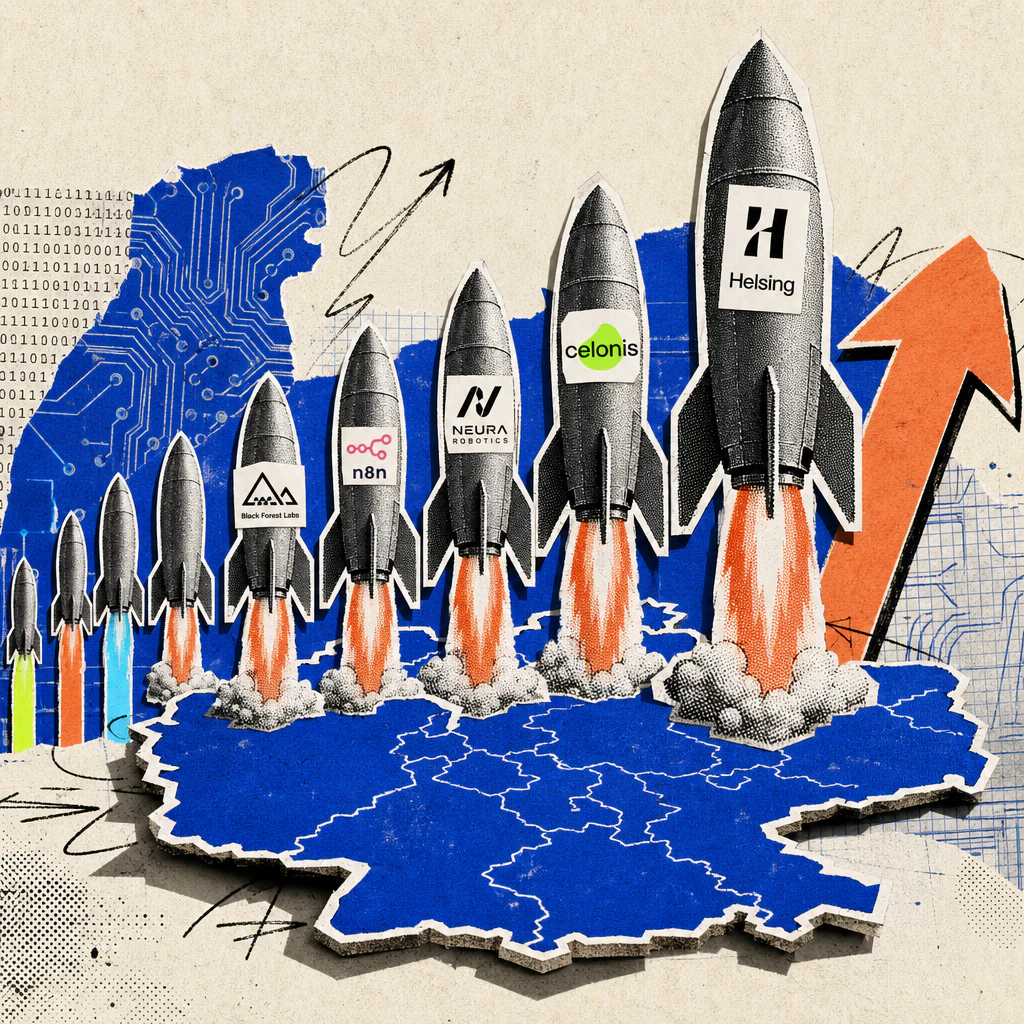
So the failure is not necessarily the pivot – but the political narrative attached to it is. And the champion question now poses itself differently anyway: at the top of the ranking of the most valuable German AI companies stand Helsing, Celonis, and Neura Robotics – firms that were never anointed as the national figurehead.
2. Sleeping on infrastructure – and then getting tangled in the application
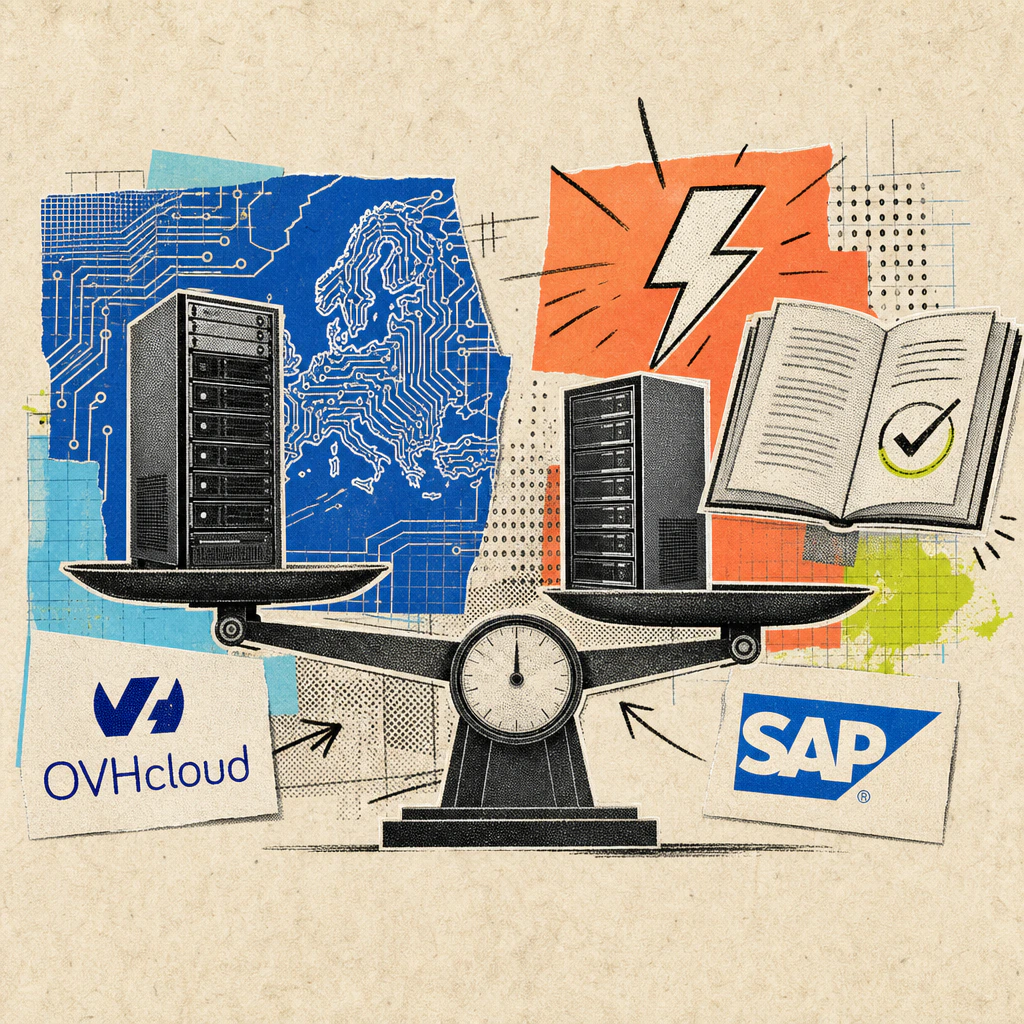
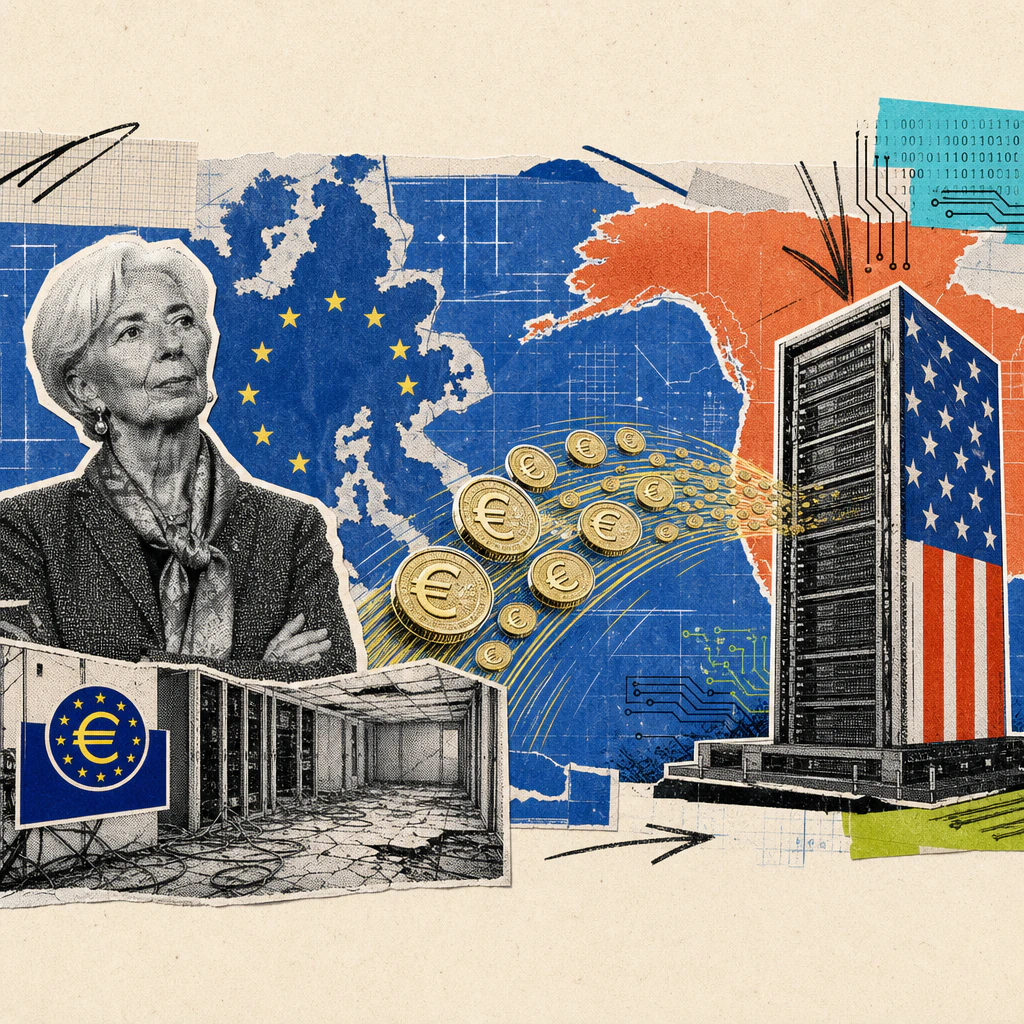
Computing power is the actual key resource in the age of AI, and here Germany is falling behind. A Deloitte study estimates the impending capacity gap by 2030 at around half of the additional demand; the investment requirement is up to 60 billion euros, while Germany's market share is already declining in international comparison.
High energy prices further exacerbate the problem – as do the years-long waits for grid connections, which is why energy suppliers now take a detour: Uniper, for one, is converting old power plant sites into data centers, because the connections are already in place there.
Particularly bitter is the Gigafactory debacle of 2025. In the EU initiative for high-performance AI data centers, SAP, Deutsche Telekom, Ionos, the Schwarz Group, and Siemens originally wanted to join forces.
In the end, Germany submitted three separate applications – all of which were unsuccessful. Instead of consolidation: parochial thinking among those who should know better.
That fundamental doubts were also raised about Europe's billion-euro plan for AI gigafactories is part of the picture.
This fits with the symbolic withdrawal of Intel from the planned semiconductor plant in Magdeburg – a setback also for chip sovereignty, which is closely linked to the AI location.
Counter-perspective: Germany is not coming away empty-handed. With JAIF in Jülich and HammerHAI in Stuttgart, the country operates two EU-funded AI factories, and for the next Gigafactory round (bids due November 12, 2026, decision in early 2027 – see the update above), German consortia are again strongly represented.
Some experts consider the "gigantomania" of huge individual data centers to be risky anyway – the Netherlands have consciously moved away from it.
3. Regulation before innovation
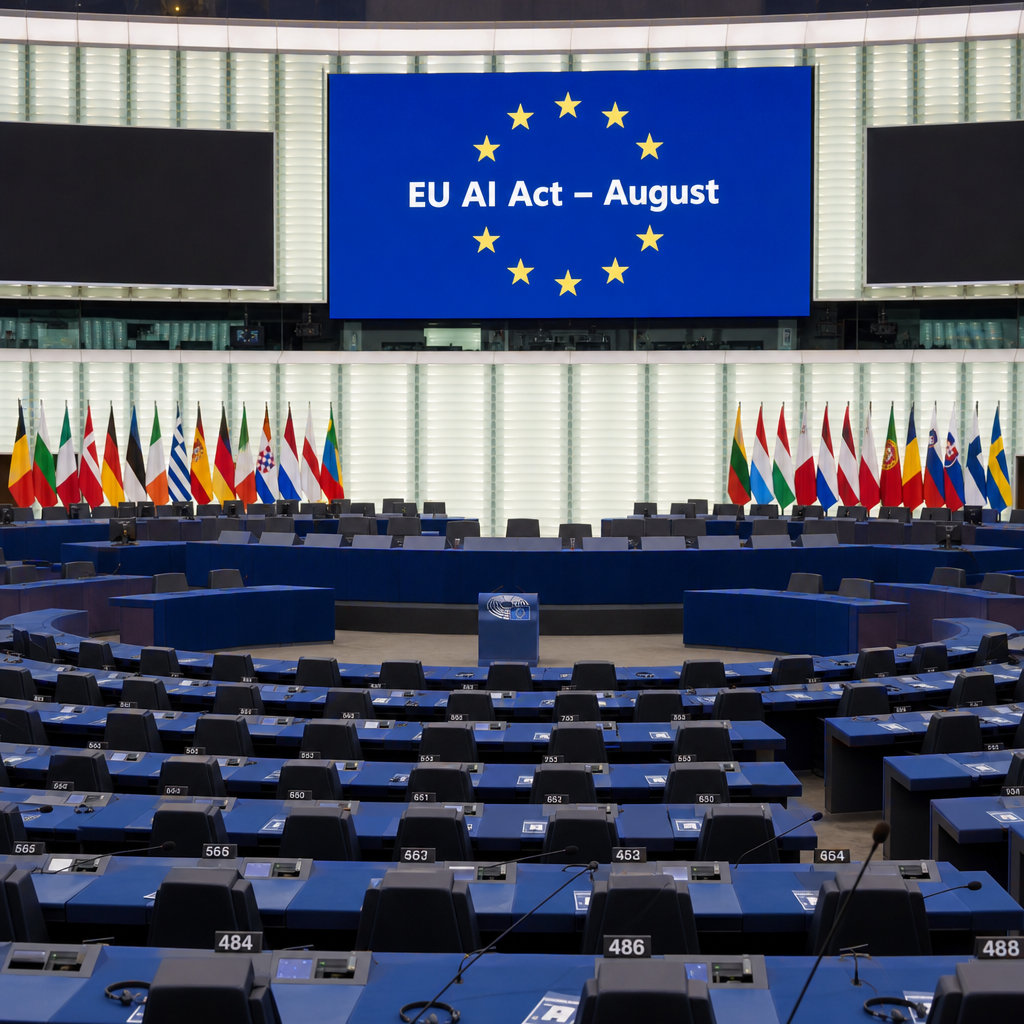
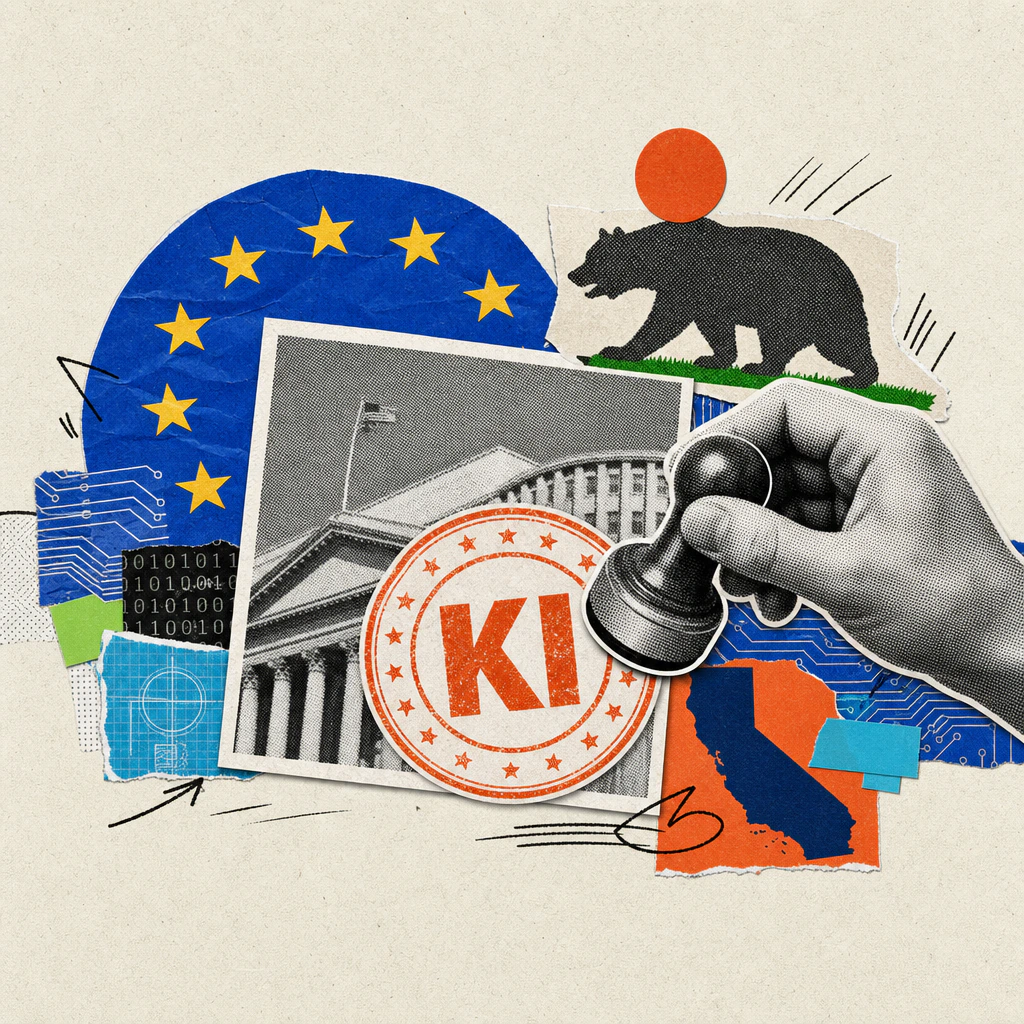
Europe aimed to set the global standard with the EU AI Act. The price is persistent uncertainty in the economy – all the more so because the timetable has shifted repeatedly: obligations for high-risk systems were originally meant to take effect in August 2026, but the "Digital Omnibus" deferred them to 2027/2028.
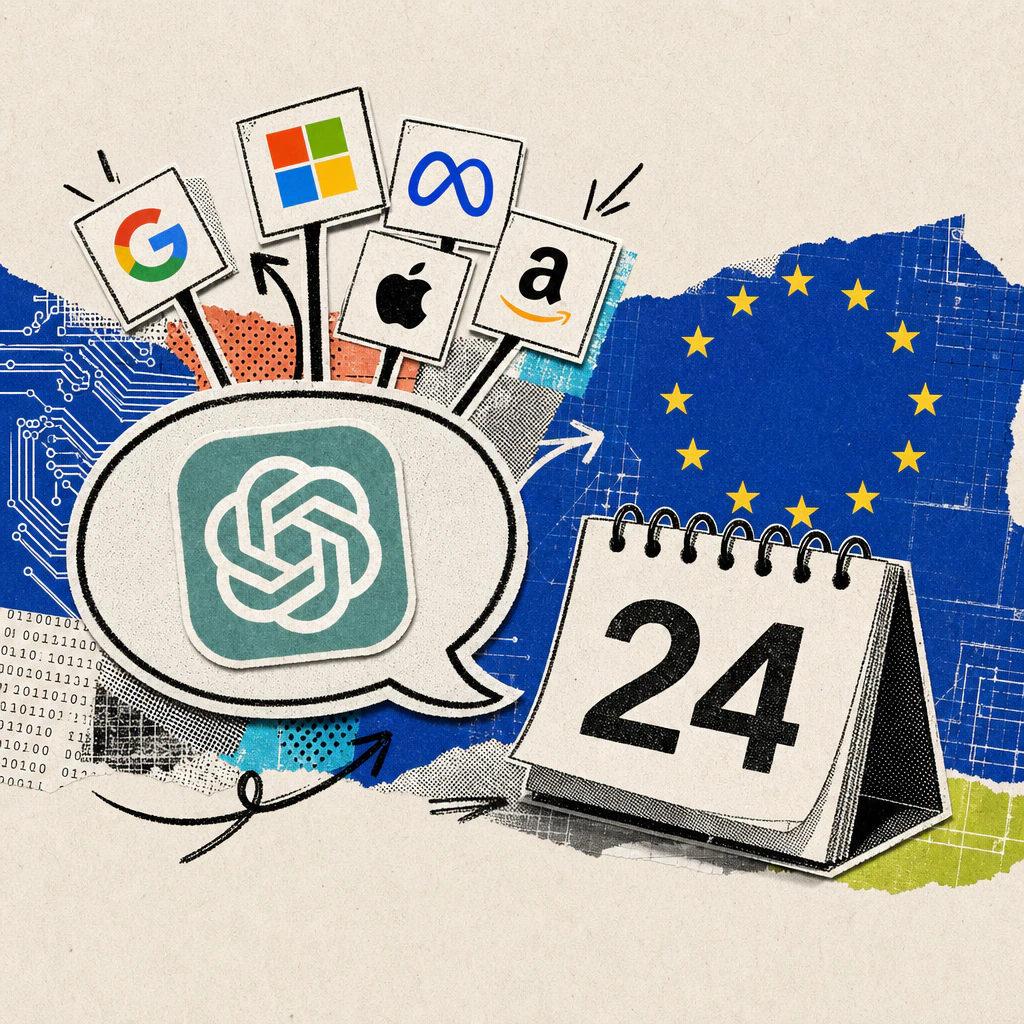
What has been binding since August 2, 2026, are the transparency obligations under Article 50 – labeling for chatbots, generated content, and deepfakes.
Over 40 CEOs of large industrial companies – including Siemens, Airbus, Mercedes-Benz, and ASML – warned in an open letter of competitive disadvantages compared to the USA and China.
Germany has shot itself in the foot: the national implementation law only came in February 2026 – late, with a correspondingly long phase of legal uncertainty for start-ups and SMEs, who did not know which authority would check what and how.
Counter-perspective: There are good arguments that the AI Act is not the actual brake on innovation.
Mandatory regulatory sandboxes, clear liability rules, and trust in secure systems can even promote innovation. Critics may confuse cause and effect: the real obstacles – capital, skilled workers, bureaucracy overall – lie deeper.
4. Federal fragmentation instead of a joint effort
Germany indulges in a multitude of its own state strategies alongside the federal strategy, which differ significantly in depth and focus. As early as 2024, experts warned against the "fragmentation in the federal system." Fragmented responsibilities and lengthy coordination processes delay projects – a structural disadvantage that smaller countries like Luxembourg consistently avoid.
How sluggish enforcement is even where rules have long been in place is shown by the national data center register: only a fraction of the obligated operators reported their energy data at all, and the federal government is now loosening the reporting requirement again.
5. Waiting for the state instead of acting entrepreneurially
A cultural pattern runs through it all: while US companies create facts – AWS is investing nearly eight billion euros in a "European Sovereign Cloud" in Potsdam by 2040, Microsoft is building in North Rhine-Westphalia, Google in Hesse – in Germany, the federal government, states, and industry negotiate subsidies, operating-cost guarantees, and state purchase commitments.
The state is expected not only to kickstart but also to step in as an anchor customer. Positive exceptions like the Schwarz Group, which took the lead early, or the Telekom AI factory with Nvidia in Munich confirm the rule rather than refute it.
OpenAI has since followed suit and plans a second German office in Berlin along with a data center of its own – again a US provider investing without waiting for state assurances.
6. Leaving the Mittelstand behind
The perhaps most consequential wrong decision is one of omission: the broad Mittelstand was left to its own devices for too long regarding AI adoption. According to the AI Index Mittelstand (DMB/Salesforce), 43 percent of SMEs had no concrete AI plans, and a supplementary survey found that 68 percent of SMEs had no AI strategy at all – while 91 percent of large companies already consider AI to be business-critical.
The gap between pioneers and laggards is growing rapidly, and it is precisely in this gap that Germany's industrial future is being decided.
Conclusion
The common pattern is not stupidity, but hesitation and fragmentation: too much hope placed on individual lighthouses, too little on an ecosystem; infrastructure addressed too late and disjointedly; rules placed before framework conditions; federal friction instead of consolidation; waiting for state security instead of entrepreneurial courage.
The good news: research, talent, and industrial substance are all there. There is still time to change course – but the window is closing.