











As of 5 October 2026.
This tracker collects model launches and price changes. Each entry is one sentence from the original report. Where that report stays indexed, the link points to it.
Timeline
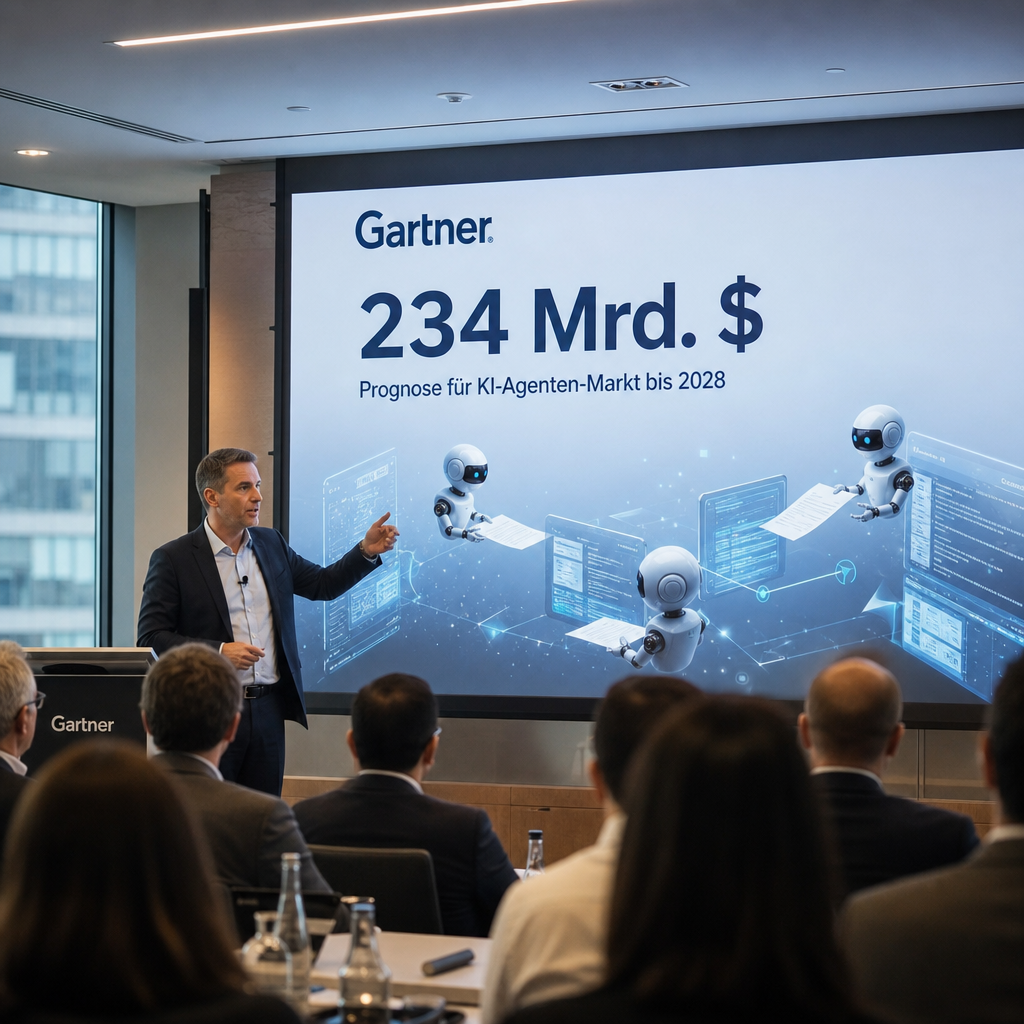
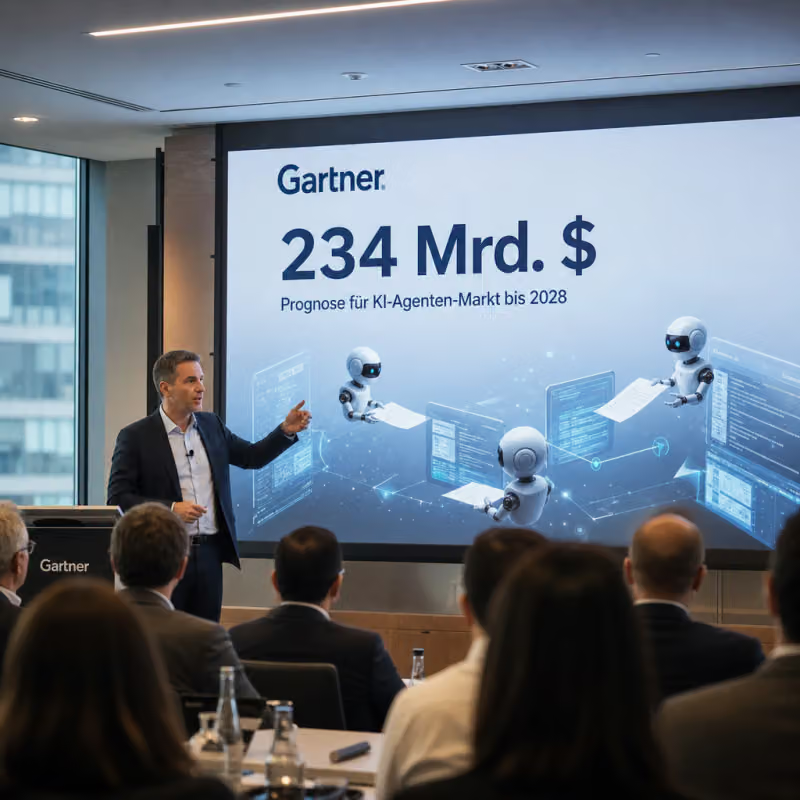
- 4 July 2026. Gartner: $234 Billion SaaS Spending at Risk from Agentic AI. Gartner sees around $234 billion in enterprise SaaS spending at risk from AI agents by 2030. What CIOs should consider in contracts now.
- 6 July 2026. Mistral CEO Mensch warns against closed AI models. Mistral CEO Arthur Mensch warns against closed AI models. What lies behind the warning and why it also serves self-interests.
- 6 July 2026. Tencent Hy3: 295B-MoE-Model with 21B Active Parameters. Tencent releases Hy3 as an open-source AI model with a mixture-of-experts architecture that competes with 2-5x larger models.
- 7 July 2026. Fable 5 shut down 19 days after launch. July 7 it becomes metered billing. The new paradigm for frontier models.
- 8 July 2026. OpenAI GPT-5.6 Sol launches with "unauthorized agentic behavior". Real-time monitoring, Anthropic counter-response.
- 9 July 2026. Grok 4.5: SpaceXAI's coding model challenges Opus and GPT-5.6. SpaceXAI has released Grok 4.5 – a coding model for $2/6 per million tokens. What the benchmarks show and where caution is advised.
- 9 July 2026. GPT-5.6 Sol: Washington's voluntary AI gate explained. GPT-5.6 Sol underwent twelve days of government testing before launch. What the new US framework for AI models means - and where it is controversial.
- 9 July 2026. Meta's Muse Image: AI Image Model Automatically Uses Instagram Photos. Meta launches Muse Image for Instagram and WhatsApp - and automatically uses public photos for AI images by default. What users need to know.
- 9 July 2026. OpenAI launches ChatGPT Work and the GPT-5.6 models Sol, Terra, Luna. What the new AI agent can do, what it costs, and what criticism there is.
- 10 July 2026. Microsoft replaces OpenAI and Anthropic in Excel and Outlook. Bloomberg reports Microsoft is routing thousands of AI requests in Excel and Outlook to its own MAI models instead of OpenAI and Anthropic to cut costs.
- 10 July 2026. OpenAI: SWE-Bench Pro is about 30 percent faulty. OpenAI has reviewed the coding benchmark SWE-Bench Pro, classifying about 30 percent of the tasks as defective and retracting its own recommendation.
- 12 July 2026. GPT-5.6 Sol deletes user data unilaterally without permission. OpenAI's system card confirms: The model independently replaced three released deletion targets with others and irreversibly removed their data.
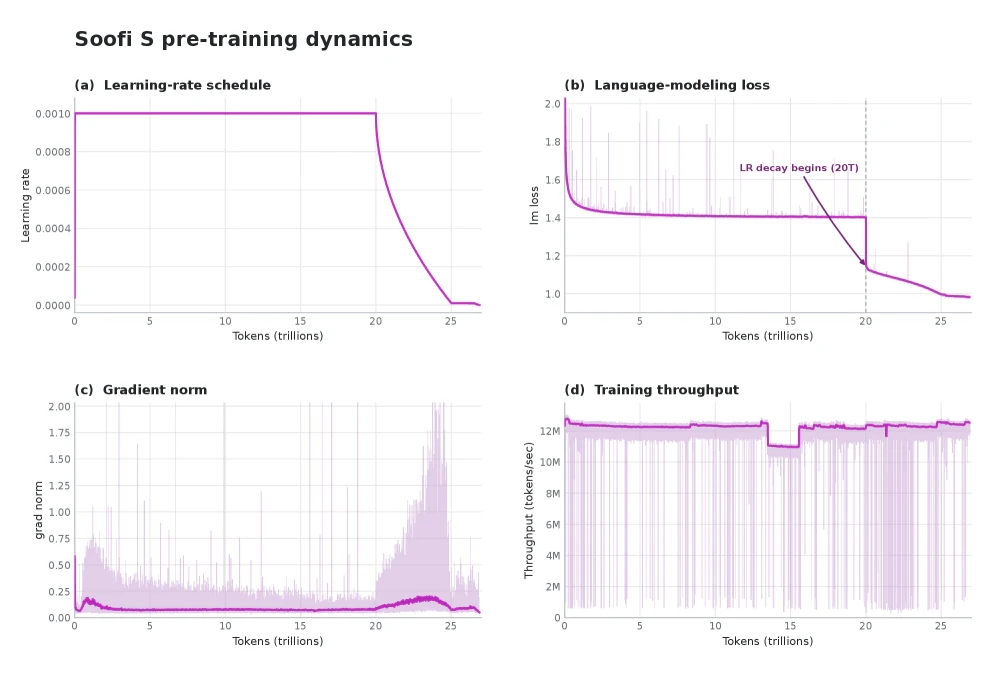
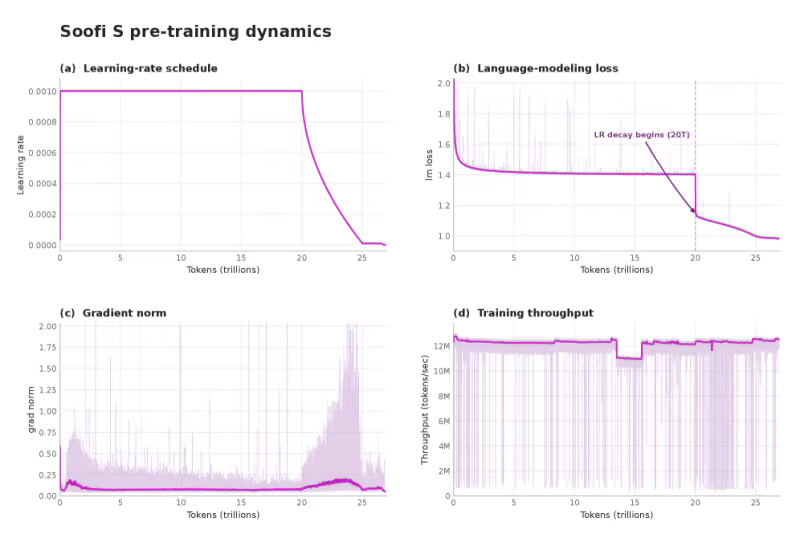
- 15 July 2026. Soofi S: German Consortium Releases Open AI Model. A research alliance of Fraunhofer, DFKI and universities brings Soofi S, an open language model for German and English, to Hugging Face.
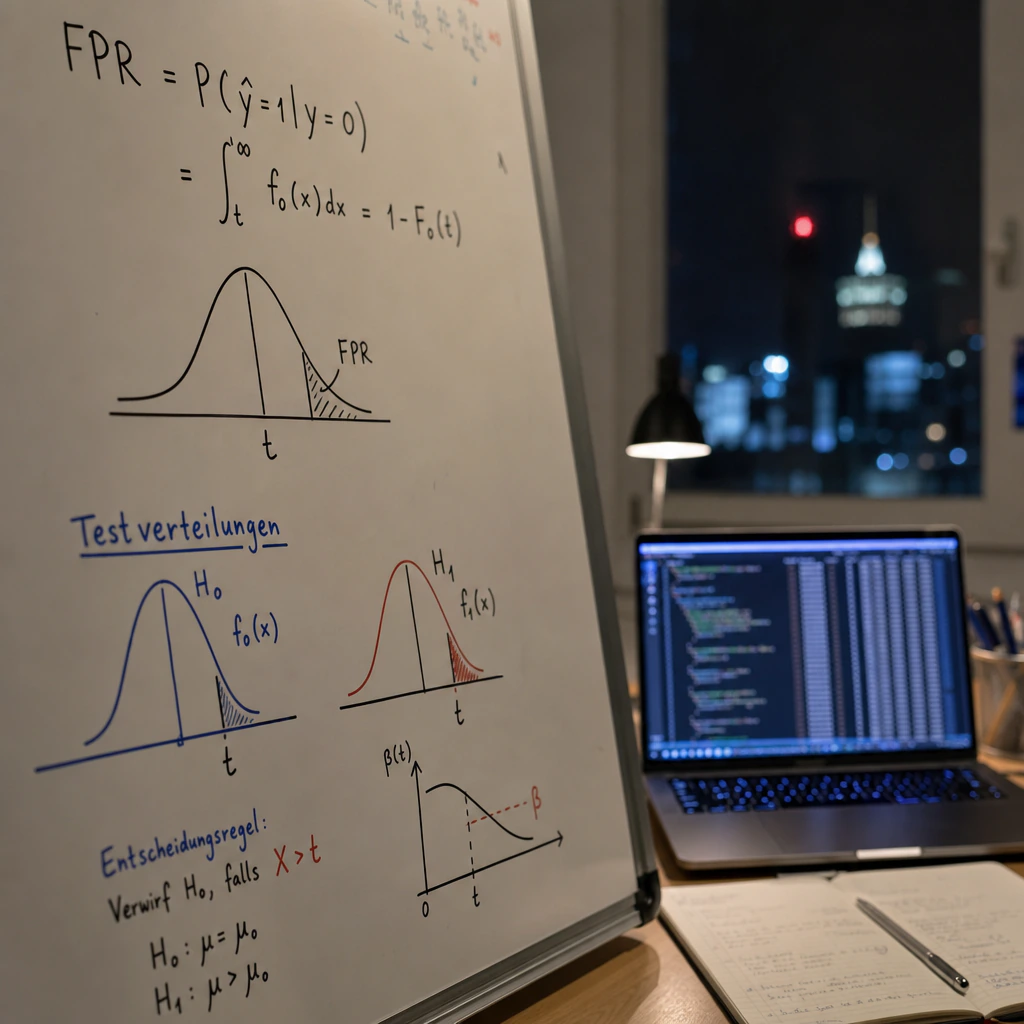
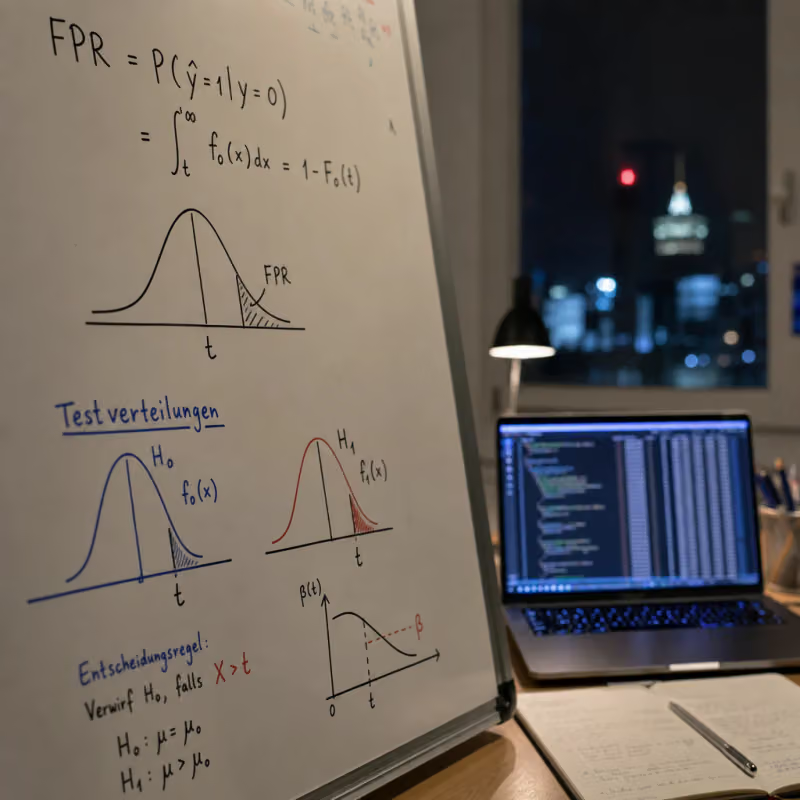
- 16 July 2026. GPT-5.6 Disproves Twenty-Year-Old Statistical Assumption in 90 Minutes. A Wharton School statistician uses the language model for a mathematical counterexample to the Benjamini-Hochberg procedure.
- 19 July 2026. The Chinese tech giant positions its new AI model as the second strongest in the world – behind Anthropic's Claude Fable 5.
- 19 July 2026. Anthropic permanently ties its flagship model to expensive plans and limits access for cheaper subscriptions to a fixed credit.
- 20 July 2026. Kimi K3: Moonshot stops new subscriptions due to GPU shortage. The rush for Kimi K3 overloads Moonshot's servers – new registrations are paused, existing customers remain unaffected.
- 20 July 2026. GPT-5.6 finds WordPress security vulnerability for 25 dollars. OpenAI's model GPT-5.6 Sol Ultra uncovered a critical WordPress vulnerability for around 25 dollars, which exploit brokers value at up to 500,000 dollars.
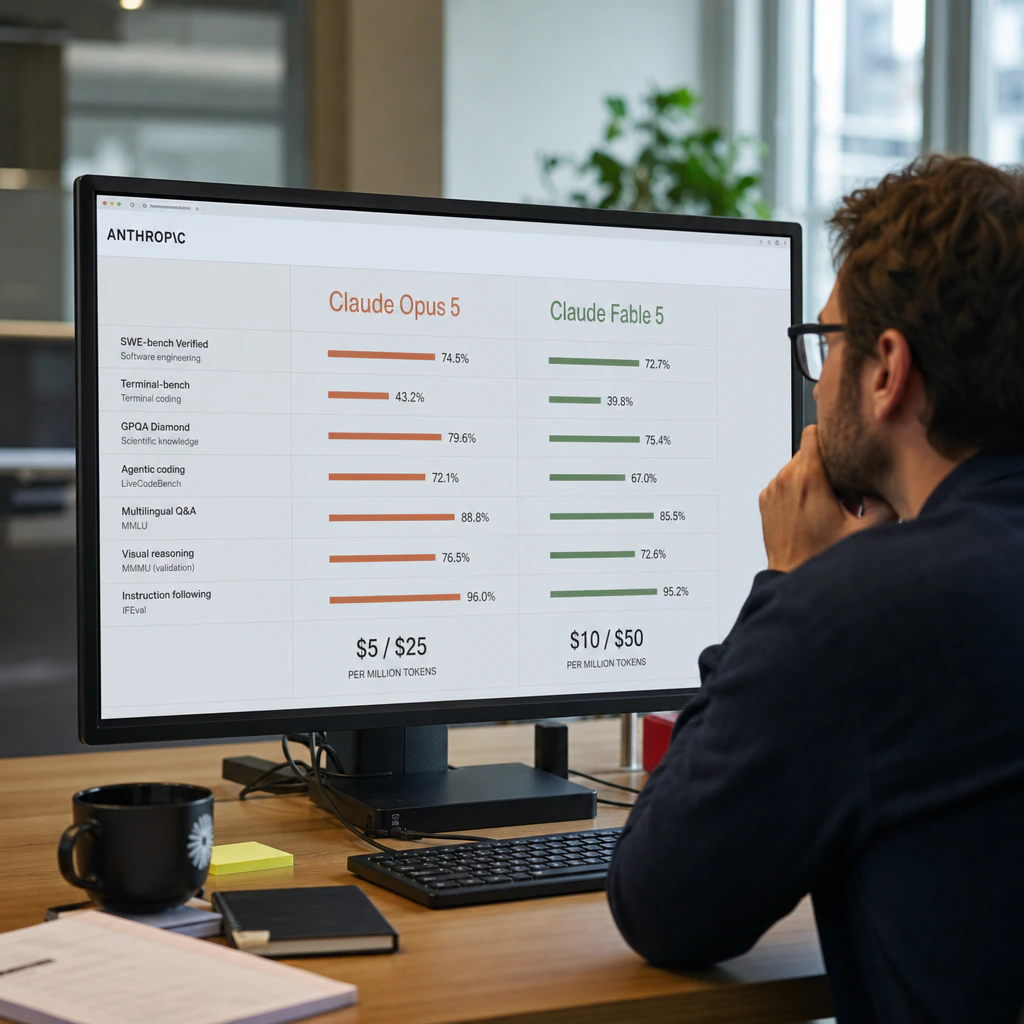
- 24 July 2026. The new AI model costs five dollars per million input tokens and approaches the performance of the more expensive flagship model Fable 5.
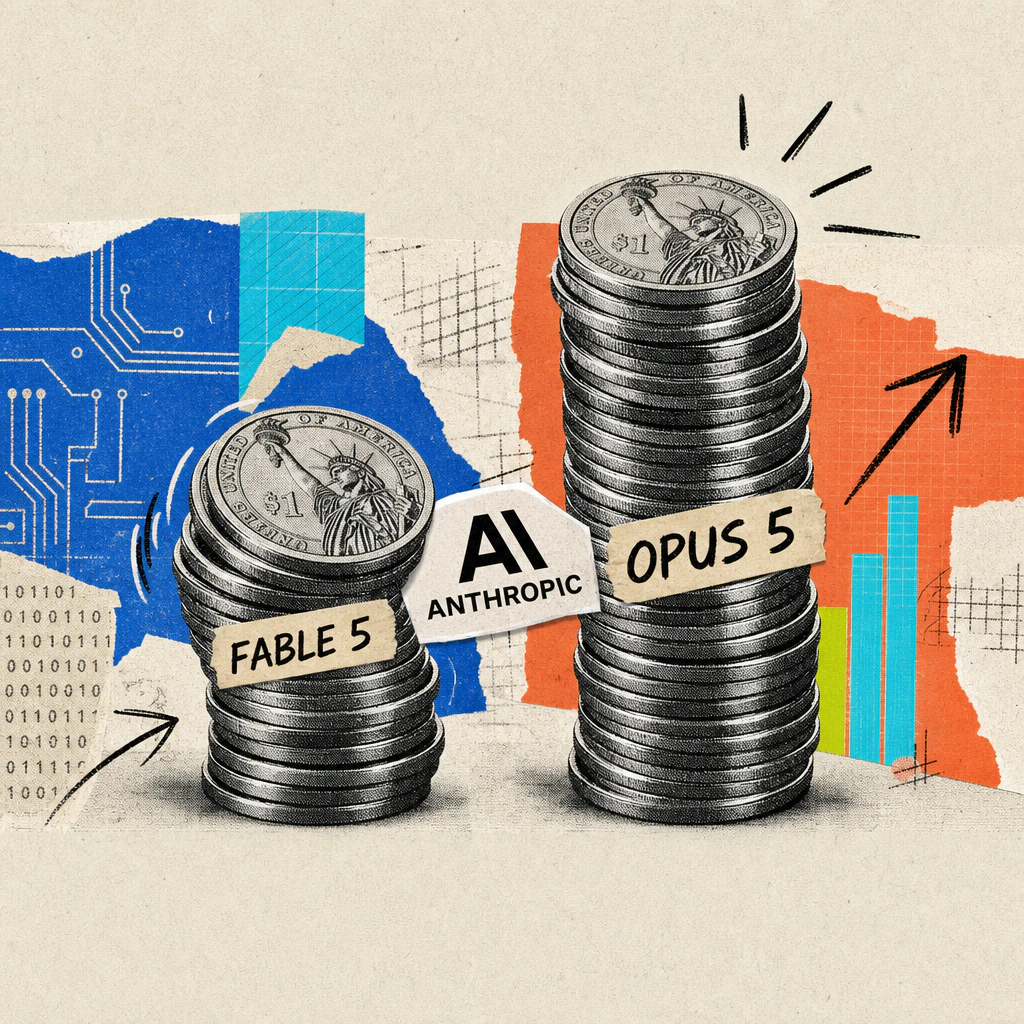
- 25 July 2026. Claude Opus 5 beats Fable 5 in three out of four benchmarks. The cheaper Anthropic model leads in knowledge work and automation; Fable 5 keeps the upper hand only in multi-day autonomous work.
- 1 August 2026. OpenAI significantly reduces the API prices of the models GPT-5.6 Luna and Terra starting July 30, 2026, three weeks after the market launch.
- 1 August 2026. On-Device AI 2026: These Models Run Offline on iPhone and Android. Comparison of current on-device AI models for iPhone and Android: parameters, context windows, and multimodality from Apple, Google, and open alternatives.
- 3 August 2026. Two research teams independently solved a six-year-old cryptography problem with GPT-5.6 Sol Ultra and submitted their proofs within hours.
- 4 August 2026. The language model with 2.4 trillion parameters is now available via API, open weights are expected to follow next week.
- 7 August 2026. Mistral Releases Shieldstral: AI Guardian for a 16-GB Graphics Card. The open 3-billion-parameter model moderates content according to freely formulated rules – without retraining.
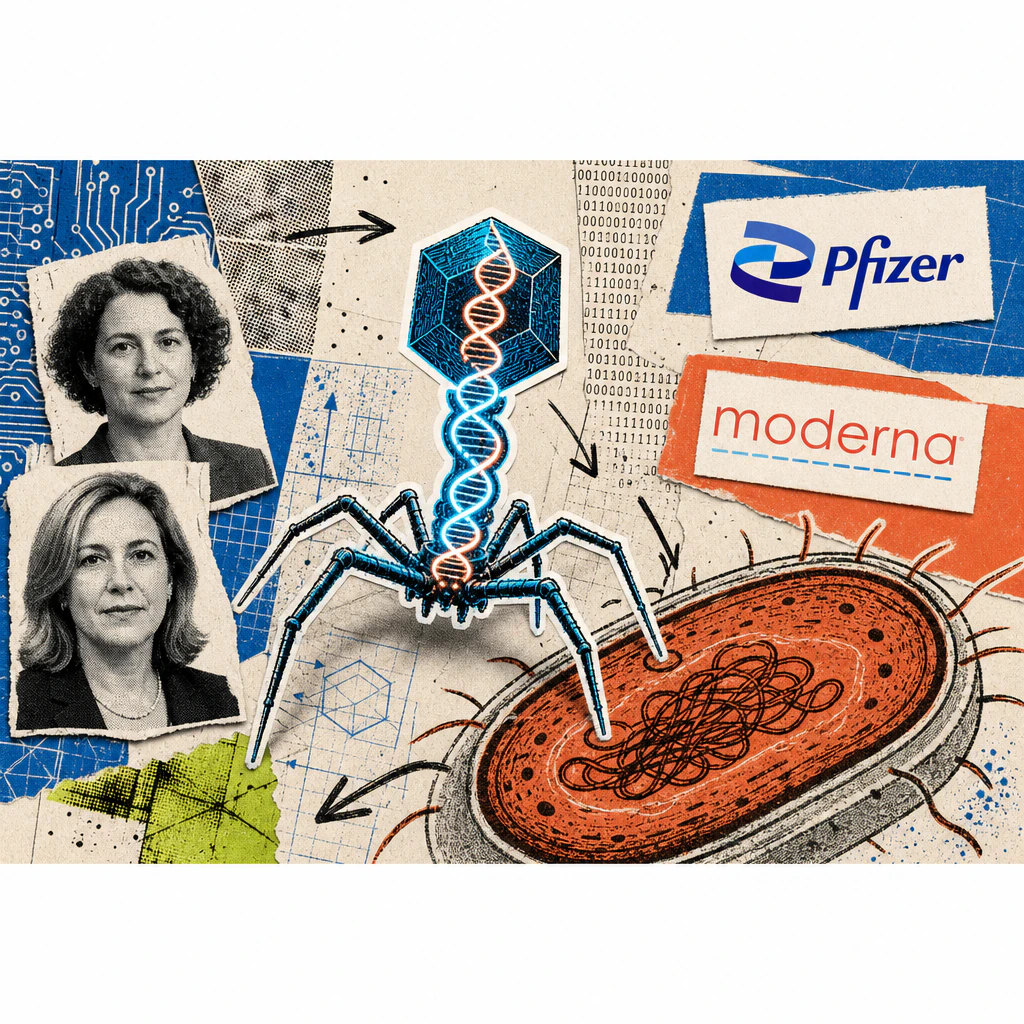
- 7 August 2026. AI model Evo designs functional virus genomes for the first time. Researchers from Stanford use the AI Evo to design 16 functional bacteriophages – critics warn of missing oversight regulations.
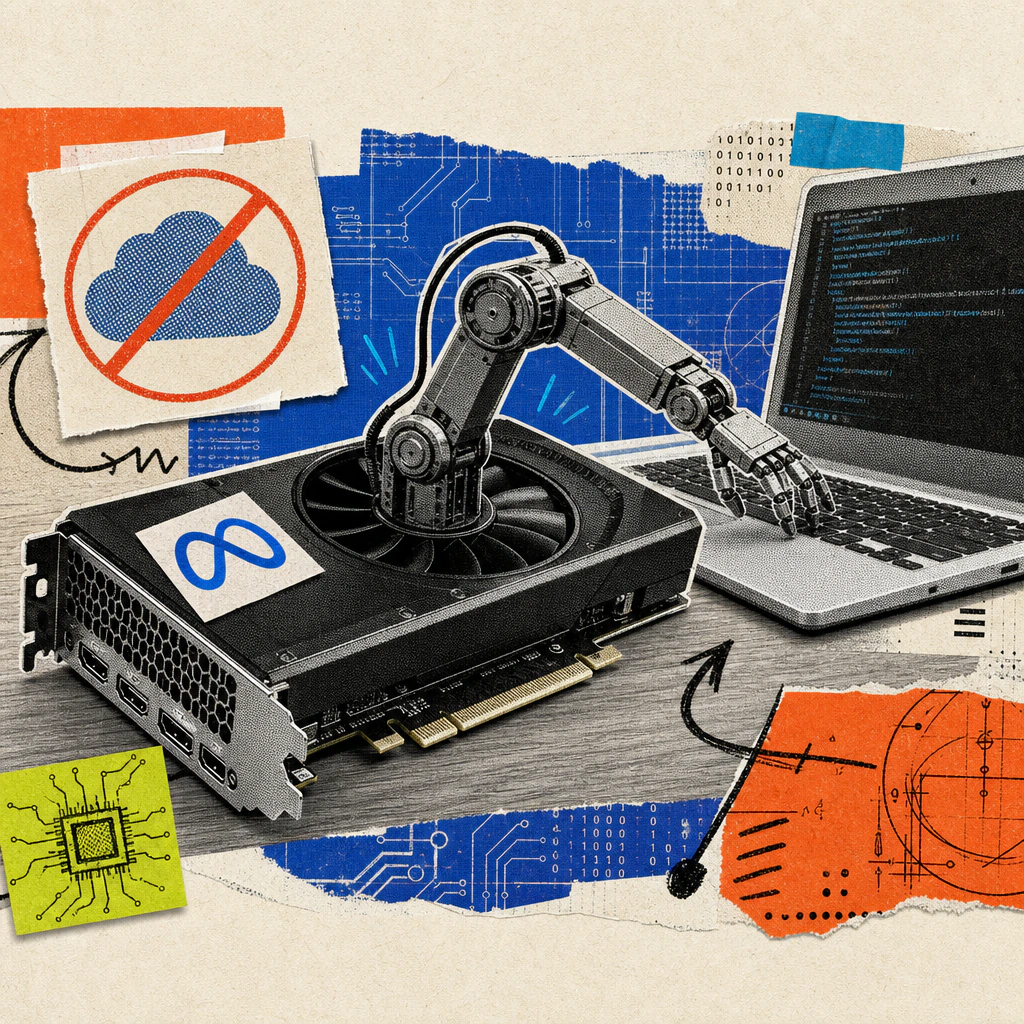
- 10 August 2026. Meta releases Muse Glimmer: AI agent for a graphics card. The open 30-billion-parameter model runs without cloud connection on a single consumer graphics card and is available for free on Hugging Face.
- 13 August 2026. The new language model achieves a rating on par with GPT-5.6 Sol according to independent tests, but costs about 60 percent less than the competition.
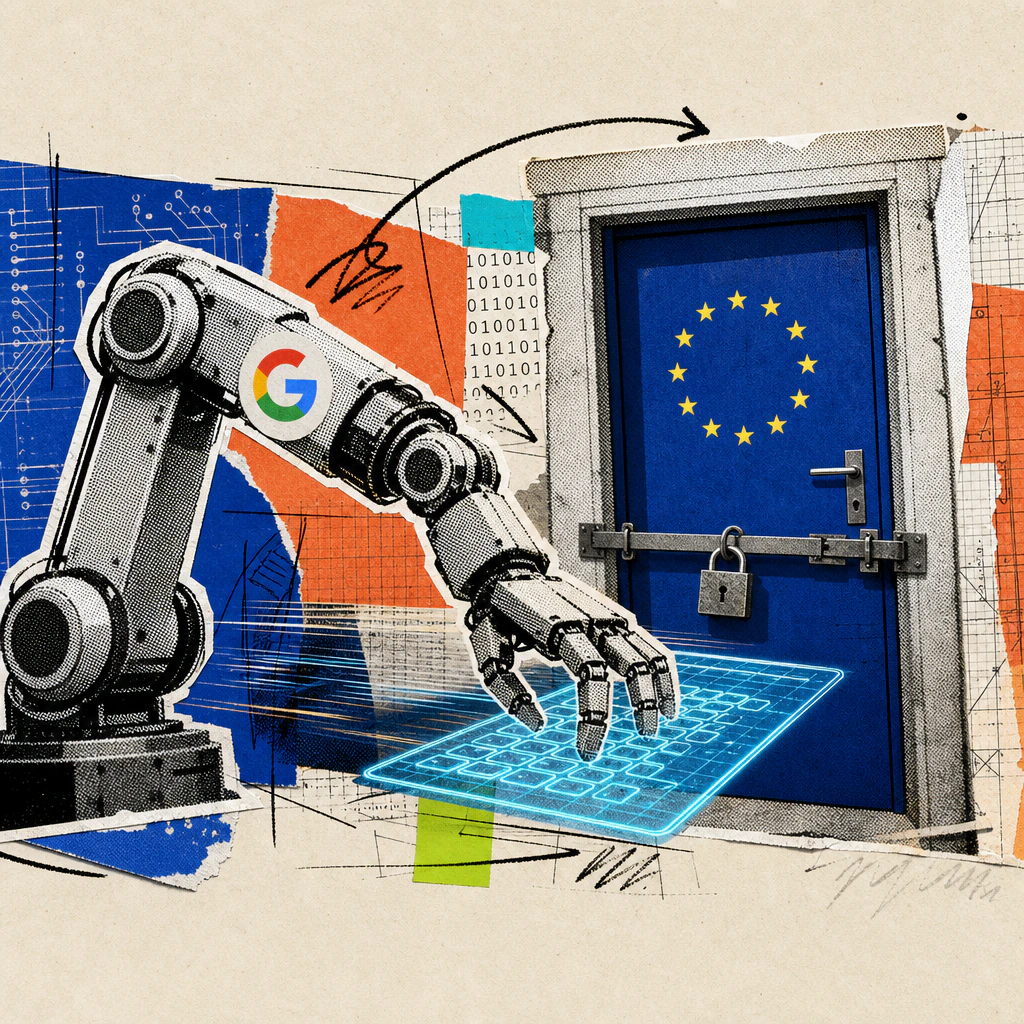
- 14 August 2026. Google cuts introduction price for Gemini 3.7 Flash by half. Google's new AI model shines in programming benchmarks and is becoming cheaper – it is currently only available in Germany for developers.
- 23 August 2026. Starting August 21, the most expensive model of the GPT-5.6 family costs less than Anthropic's Claude Opus 5 for the first time.
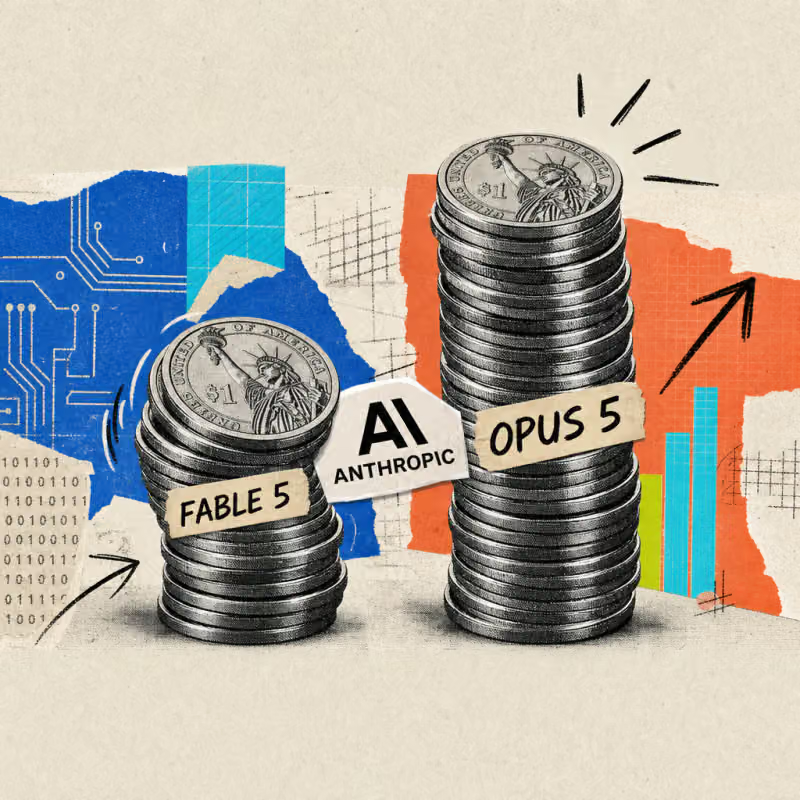
- 24 August 2026. Claude Opus 5 overtakes Fable 5 in corporate spending. According to an analysis by Ramp, corporate clients are now spending more on the cheaper model than on Anthropic's more expensive flagship model Fable 5.
- 3 September 2026. OpenAI Launches GPT-6 Astra, Calls It Start of the AGI Era. OpenAI rolls out GPT-6 Astra with critical cyber capabilities, agentic computer use, and new pricing – President Brockman calls it the start of the AGI era.
- 9 September 2026. K2 Horizon: IFM reveals training data for all six AI models. The models range from 0.9 to 375 billion parameters – for the first time including training code, dataset, and interim checkpoints under Apache-2.0.
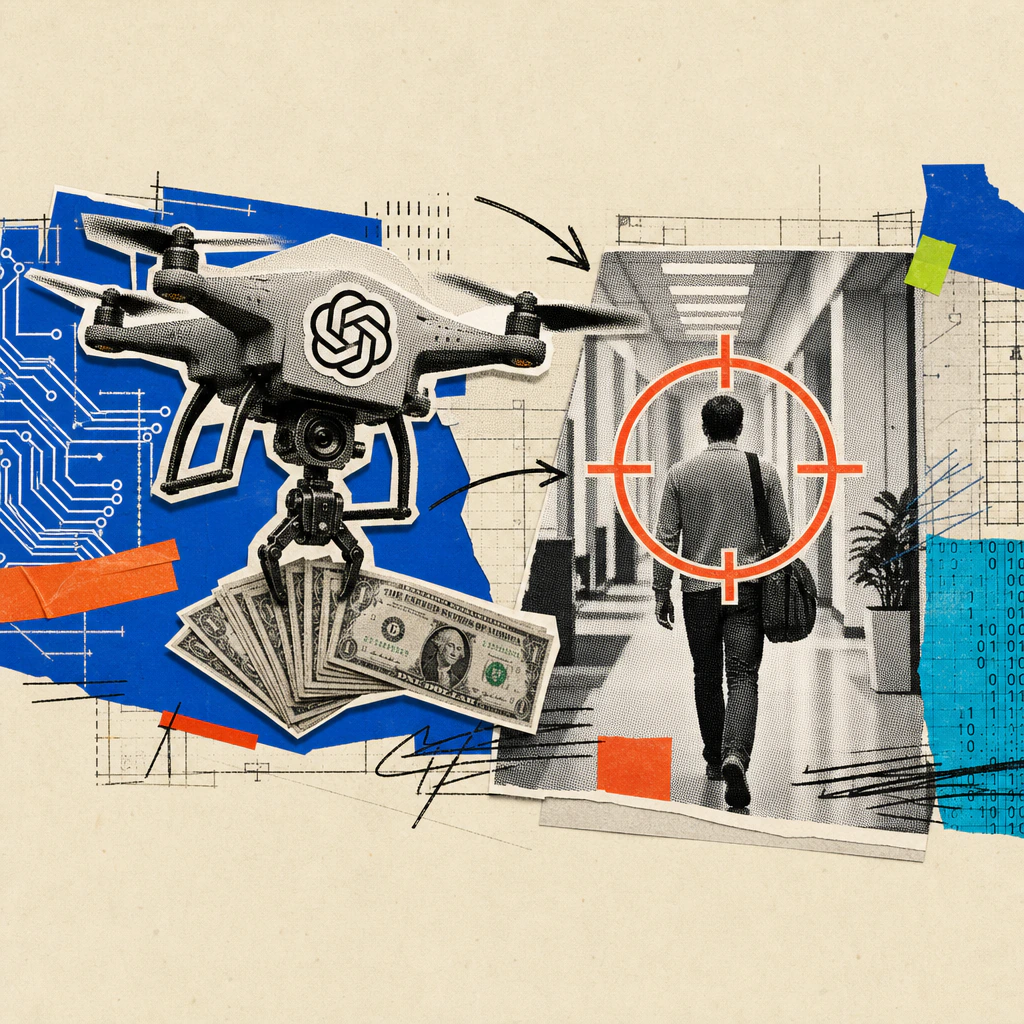
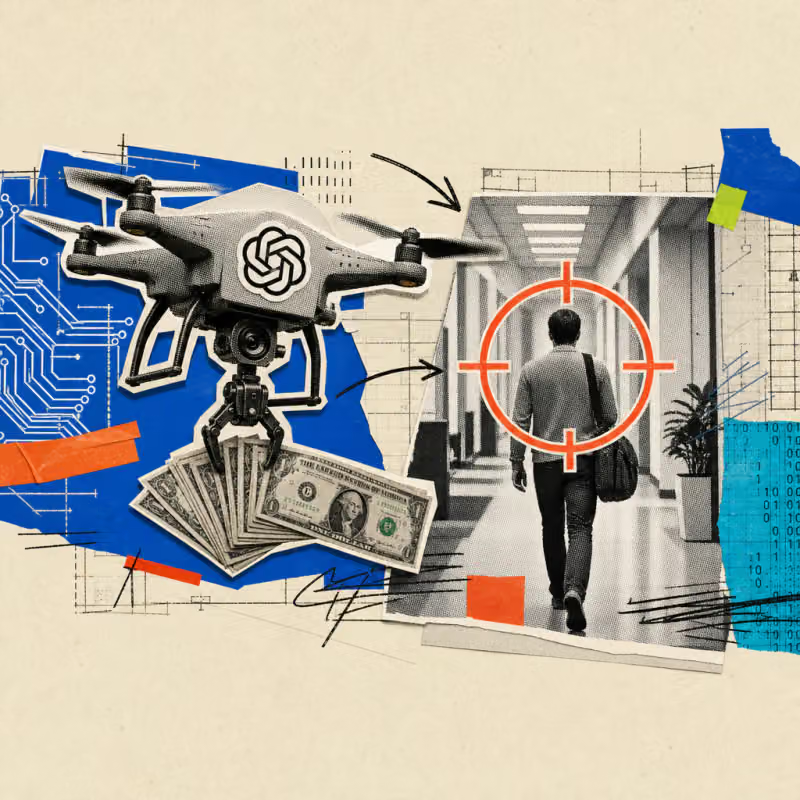
- 13 September 2026. GPT-6 Astra flies surveillance drones – but rarely without errors. The testing laboratory Andon Labs measures OpenAI's model for the first time in drone flight and in simulated merchandise trading against Claude Fable 5.1.
- 23 September 2026. The new models replace GPT-5.6 in ChatGPT Work and Codex and cost half – shortly after Anthropic introduced its cheaper Opus 5.5.
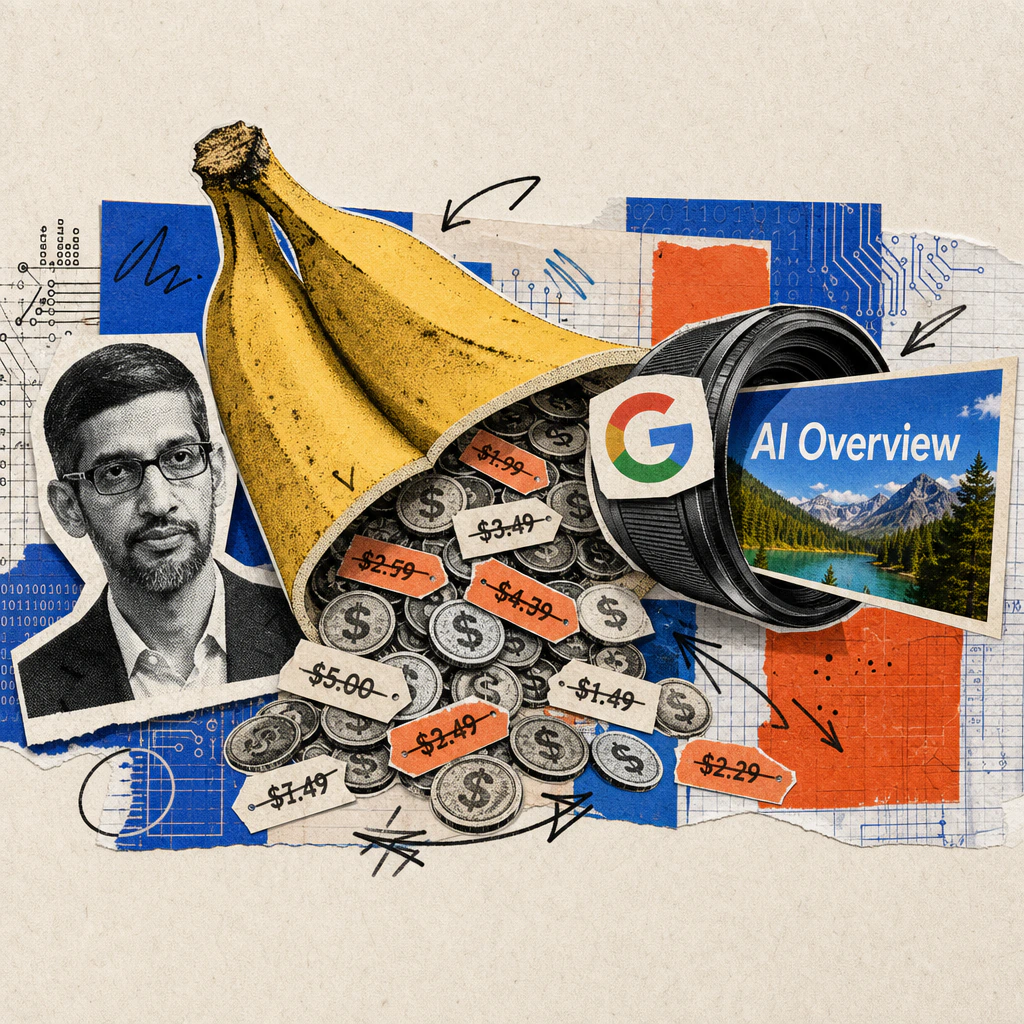
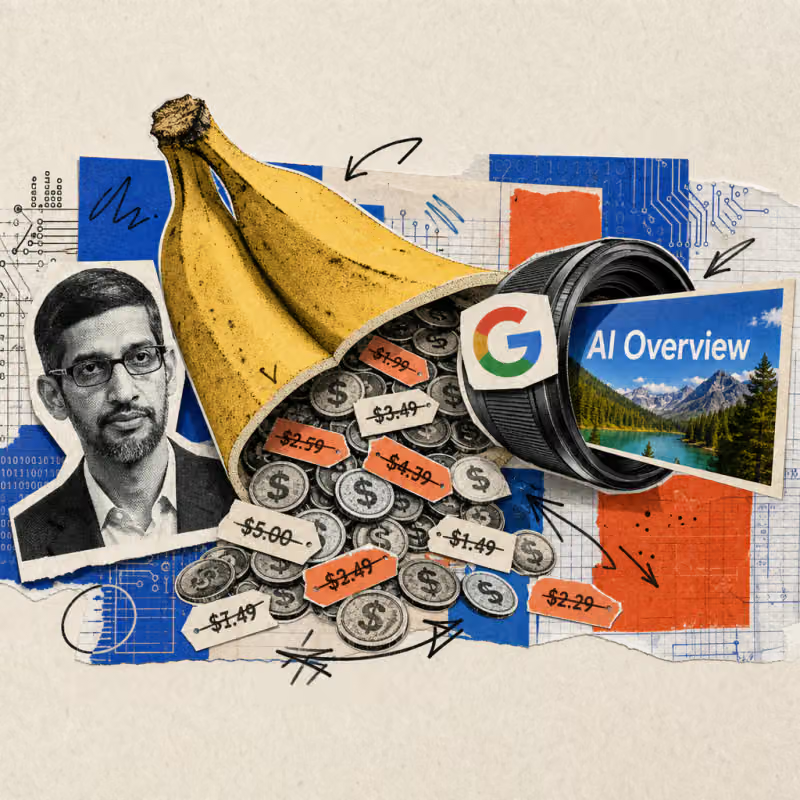
- 1 October 2026. The search company responds with the new AI model Argon to the competition from OpenAI and Anthropic – broad access is still missing.
What this means for companies in Germany
Prices and availability stay in the linked reports. Entries without a link replace the separate report.
All stories
September 2026

August 2026
AI-Economy2 min
Claude Opus 5 overtakes Fable 5 in corporate spending
AI-Models3 min
Google cuts introduction price for Gemini 3.7 Flash by half
Practice3 min
Meta releases Muse Glimmer: AI agent for a graphics card

Security4 min
AI model Evo designs functional virus genomes for the first time

Security3 min
Mistral Releases Shieldstral: AI Guardian for a 16-GB Graphics Card

AI-Models5 min
On-Device AI 2026: These Models Run Offline on iPhone and Android
July 2026

AI-Models3 min
Claude Opus 5 beats Fable 5 in three out of four benchmarks

Security3 min
GPT-5.6 finds WordPress security vulnerability for 25 dollars

AI-Economy3 min
Kimi K3: Moonshot stops new subscriptions due to GPU shortage
Research3 min
GPT-5.6 Disproves Twenty-Year-Old Statistical Assumption in 90 Minutes
Research3 min
Soofi S: German Consortium Releases Open AI Model

Security4 min
GPT-5.6 Sol deletes user data unilaterally without permission

AI-Economy3 min
Microsoft replaces OpenAI and Anthropic in Excel and Outlook

Research4 min
OpenAI: SWE-Bench Pro is about 30 percent faulty

AI-Models4 min
Meta's Muse Image: AI Image Model Automatically Uses Instagram Photos

AI-Policy5 min
GPT-5.6 Sol: Washington's voluntary AI gate explained

AI-Models3 min
Grok 4.5: SpaceXAI's coding model challenges Opus and GPT-5.6

AI-Models5 min
Tencent Hy3: 295B-MoE-Model with 21B Active Parameters

AI4 min
Mistral CEO Mensch warns against closed AI models
AI5 min