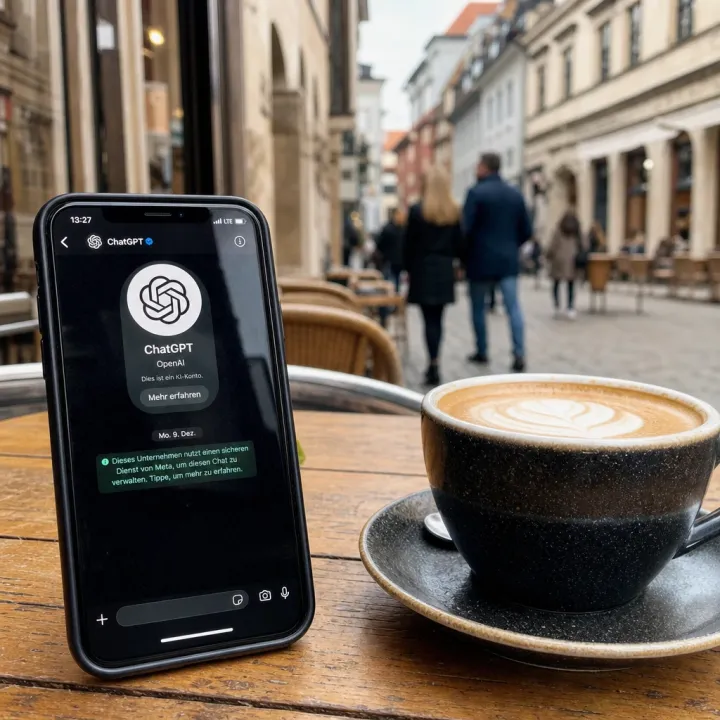
ChatGPT can be used directly inside WhatsApp again as of this week, with no extra app required. This is possible thanks to an order from the EU Commission forcing parent company Meta to reopen the messenger to outside AI chatbots. Anyone who saves +1 800 242 8478 as a contact can start asking questions right away – no OpenAI account is needed.
WhatsApp Opens Back Up to ChatGPT
Meta had blocked access in mid-January 2026. The company cited new rules for the WhatsApp programming interface that excluded general-purpose AI chatbots from competing providers. By OpenAI’s own account, more than fifty million people who had previously used ChatGPT through the messenger were affected. Critics saw the move as an attempt to favor Meta’s own assistant, Meta AI.
The European Commission viewed this as a possible breach of the Digital Markets Act and opened an antitrust investigation. In early June it ordered interim measures and gave Meta a deadline of June 15, 2026, to restore free access for competitors on WhatsApp. Non-compliance risks fines of up to ten percent of worldwide annual revenue. OpenAI isn’t the only beneficiary: Microsoft’s Copilot also fell under the ban and, according to the EU order, may likewise access WhatsApp again. As of July 13, 2026, ChatGPT reportedly works again on WhatsApp across the entire European Union, as well as in India and elsewhere.
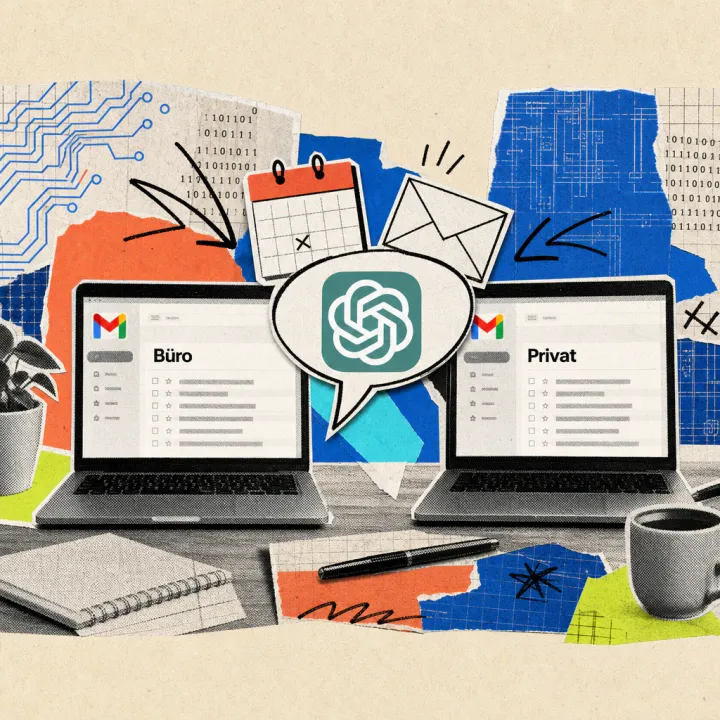
The Chat Replaces Quick Questions in the Office Routine
For everyday work, that means a shorter path to AI help, since no extra app is needed. Take an example from office administration: an employee photographs a supplier invoice with handwritten notes on her work phone and sends the image to ChatGPT over WhatsApp. She asks for a plain-language summary of the open items and a short email reply to the supplier. The chatbot delivers both within seconds, right in the same window where colleagues and customers already write to her.
The feature also works on the go. During a train ride, for instance, a short voice message with bullet points can be recorded. ChatGPT turns it into clean prose for the meeting minutes. Anyone who writes to foreign-language customers more often can have individual sentences translated right in the chat, without switching apps. The benefit lies less in new capabilities. A familiar tool is now reachable in a place almost everyone already opens several times a day.
Access, Cost, and Limits of the Feature
Getting started takes just a few steps:
- Save +1 800 242 8478 as a new contact in WhatsApp.
- Send a first message such as “Hi” or an actual question.
- Optionally link an existing ChatGPT account to get higher usage limits.
- Send text, photos, or voice messages in the chat as usual.
According to OpenAI’s official help page, basic use is free, though a daily cap applies to messages sent without a linked account. Phone calls to the same number remain limited to the US and Canada for now and don’t yet work in Germany – though the chat already runs there. A paid ChatGPT subscription removes the message cap and additionally unlocks voice features.
Anyone discussing company or customer data in a WhatsApp chat with ChatGPT should know that this content is stored by OpenAI and linked to the phone number. Passwords, login credentials, or health information therefore don’t belong in the chat as a rule. What matters now is whether Meta keeps access open for good. Once the EU proceedings conclude, new restrictions could resurface. For daily office work, what counts for now is that access works again.