Meta CEO Mark Zuckerberg spoke out against a coordinated AI speed limit on the platform X on September 15, 2026. Every lab already has sufficient incentive and responsibility to train its model safely at its own pace, he wrote. This openly distances the world’s largest social media company from the safety appeal of Anthropic CEO Dario Amodei, which several competitors had previously agreed to.
Zuckerberg relies on market forces and liability pressure
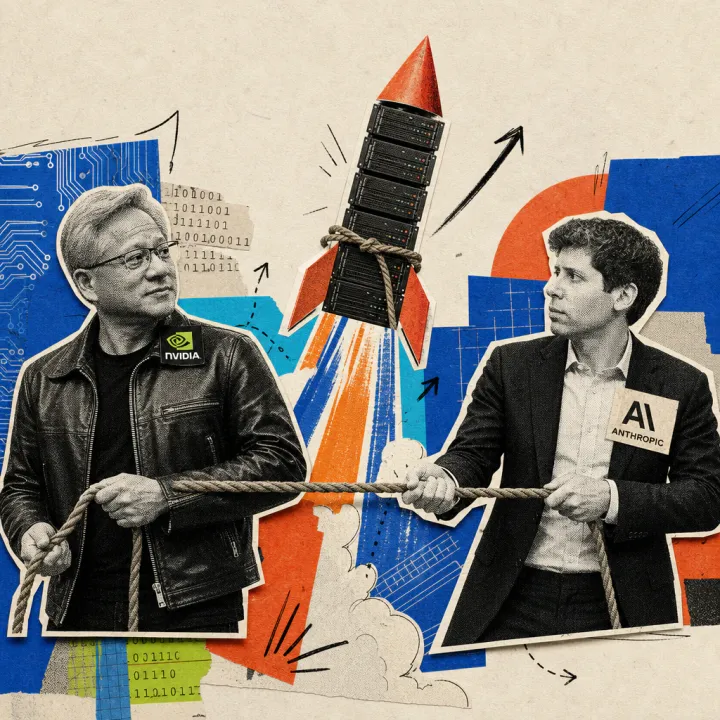
According to a report by Reuters, Zuckerberg justified his position primarily with the liability risk: labs must expect significant legal consequences for damage caused by their models, and this pressure alone is enough of a safety incentive. He did not reject an additional, voluntary industry agreement on principle but considers it unnecessary: each company can decide the necessary pace for itself and act independently to prevent harm. As evidence, he pointed to his own company’s practice: Meta had delayed the release of its AI agent Muse in early 2026 to improve its safety, even though no external rule required it. Trust and alignment between humans and models would, according to Zuckerberg, become the most important differentiator between competing systems - a competitive advantage he apparently locates within his own company rather than in shared industry rules. He published his position directly on X, bypassing an official press release or interview. That puts him ideologically closer to Nvidia CEO Jensen Huang, who had argued against new laws and for existing market forces a few days earlier at the Dreamforce conference, than to Amodei’s line of coordinated self-commitment.
Amodei, Altman, Musk and Hassabis represent the opposite course
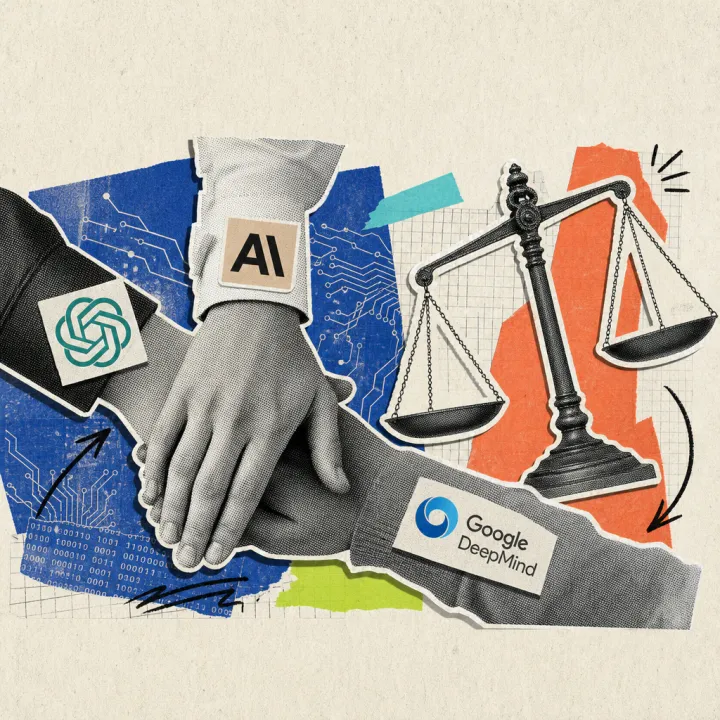
Amodei had already published his appeal for deliberately throttled AI development in an essay on September 12. Within hours, OpenAI CEO Sam Altman and SpaceX CEO Elon Musk publicly agreed. Google DeepMind CEO Demis Hassabis also positioned himself behind Amodei’s course on X that same weekend, pointing to his own proposal for an independent review body for especially capable models that he had already presented in July; Amodei’s analysis, Hassabis said, points in the right direction, even if some details still need to be worked out. Microsoft CEO Satya Nadella reacted differently: rather than joining a shared agreement, he announced his own code of conduct for the company’s MAI models, still open for public consultation until the end of October. Within a single week, four of the world’s most influential AI leaders staked out noticeably different positions - from Amodei’s call for shared standards to Zuckerberg’s rejection of any coordination. Zuckerberg’s September 15 rejection thus caps a week in which practically every major provider took its own stance on development speed - with Meta the only major lab to explicitly call coordinated alignment unnecessary.
Whether the diverging positions lead to practical consequences remains open. The FRONTIER Act under discussion in the US Congress relies on voluntary cooperation among providers for its planned review bodies - an approach that could lose effectiveness without Meta’s participation. How the other companies respond to Zuckerberg’s rejection, and whether Google backs its support for Amodei’s course with concrete steps beyond the announcement, should become clear in the coming weeks.