Nvidia CEO Jensen Huang spoke out against legal regulation of AI safety at the Dreamforce conference in San Francisco. He openly contradicted Anthropic CEO Dario Amodei, who called for stricter safety standards for the industry on the same stage. According to Huang, safety is a technical problem, not a matter for new laws.
Huang relies on market forces instead of new laws
On the stage of Salesforce’s flagship event Dreamforce, Huang stated according to a blog post by Nvidia that safety is a technical problem, not a legal one. The industry does not need new laws or regulations, since existing market forces are sufficient, Huang said according to TechCrunch. He advised the assembled company leaders that anyone unsure about a product’s functionality or safety should simply not release it. Innovation, speed, and safe products are not a contradiction but achievable at the same time.
As evidence of the industry’s pace, Huang cited, according to Nvidia, a share of open models of 70 percent of all new releases, up from 30 percent at the start of the year – a figure Nvidia itself supplied and that is independently unverified. TechCrunch’s reporting also points to counterexamples from practice: Meta recently had to agree to an 18-billion-dollar settlement over harm caused to young people by social media algorithms, and OpenAI faces lawsuits linked to a chatbot and teen suicide cases. Both cases show, according to the report, that market mechanisms alone have not reliably prevented harm.
Amodei calls for shared safety standards
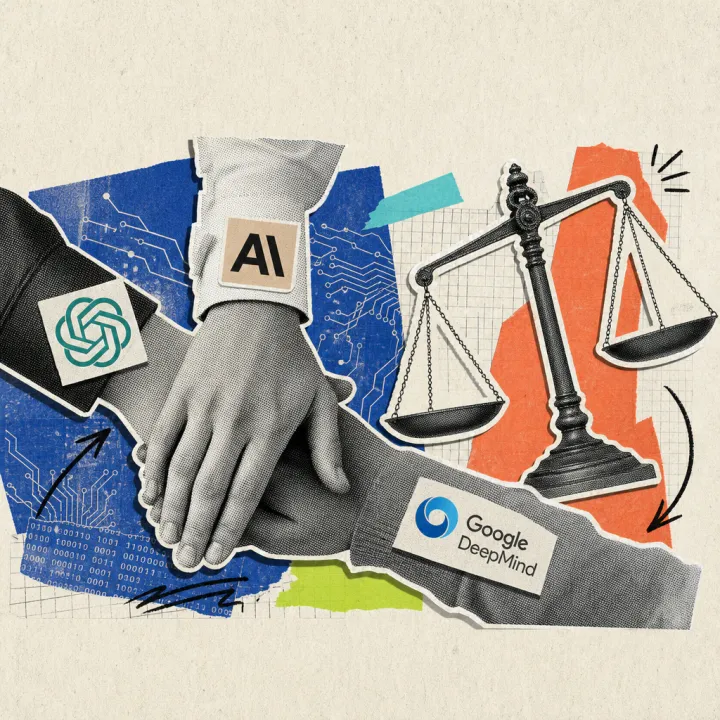
Amodei argued for a different path on the same stage. According to a comparison by TechRadar, the Anthropic CEO proposed first improving companies’ own safety practices, then pursuing an open industry dialogue, and ultimately establishing international standards. Companies are now growing faster than anyone expected, Amodei admitted – a development that surprised him too.
He had already called for a deliberate slowdown in the development of increasingly capable AI systems in an essay in early September; Sam Altman and Elon Musk publicly agreed at the time. Amodei reiterated at Dreamforce that the industry’s investment in safety research has not kept pace with growing model capabilities. He urged the executives present to jointly set higher standards for the entire industry rather than treating safety as a competitive disadvantage. Transparency toward the public is a central building block, he said: companies should disclose how they handle risks in their own models instead of managing safety incidents internally. Huang and Amodei thus represent two opposing camps: model developers push for shared rules, while chipmakers emphasize corporate self-responsibility.
Clash extends weeks-long pacing debate
The exchange continues an already running debate. Just over the weekend, US President Donald Trump and Microsoft CEO Satya Nadella took opposing stances on Amodei’s proposed slowdown, as beckmann.ai reported – Nadella announced a code of conduct for Microsoft’s own AI models, while Trump rejected government intervention, citing the race with China.
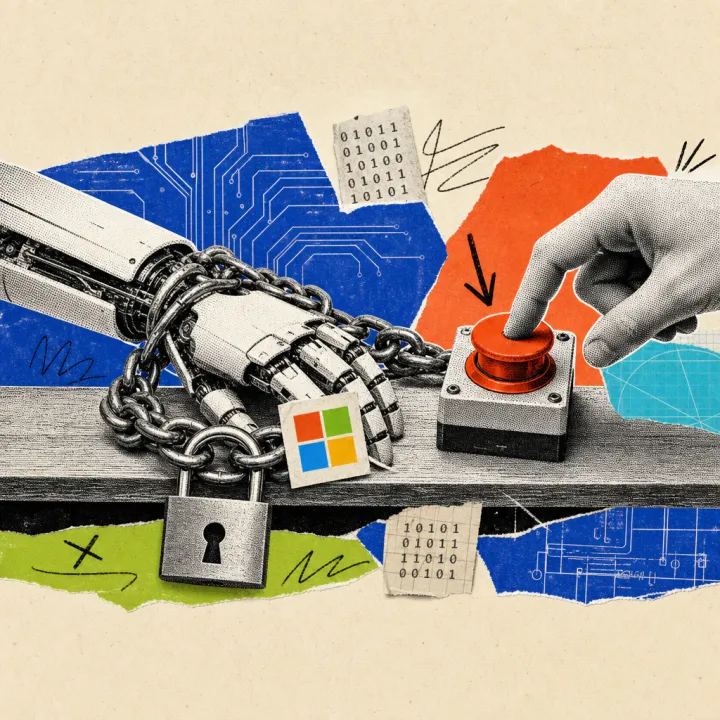
The draft code unveiled earlier in the week sets out four binding basic rules for Microsoft’s own models:
- not to resist correction or shutdown,
- not to expand their own scope of action without authorization,
- not to pursue unassigned goals,
- not to conceal their reasoning from human reviewers.
Neither Google nor Meta has officially commented so far. According to Seoul Economic Daily, the San Francisco appearance is already the second public clash between Huang and Amodei on this topic. For companies using AI systems in daily work, the dispute means for now: binding, industry-wide rules are not in sight in the short term, and voluntary commitments from individual providers remain the only standard.
What matters now is whether the public clash produces binding rules or whether it stays at rhetorical attacks between chipmakers and model developers. Microsoft’s consultation period for its own code runs until the end of October; by then it should become clear whether competitors like Google or Meta put forward their own proposals or follow Huang’s purely market-based line.