Google, OpenAI, and Anthropic are reportedly jointly building an independent oversight body for particularly powerful AI models, according to a report by the trade publication The Information from September 24, 2026. As a potential head, the three companies have approached former White House advisor Sriram Krishnan. The planned body is meant to set safety tests and incident reporting rules and is expected to start no earlier than the end of 2026.
Former government officials in talks for leadership posts
For the top job at the body tentatively named the Frontier AI Standards Agency, The Information names former White House advisor Sriram Krishnan as a candidate, whom Google, OpenAI, and Anthropic have reportedly approached directly. Krishnan advised the Trump administration on AI issues until June 2026 and left the White House saying there would be “no FDA for AI” — a reference to the US Food and Drug Administration, known for its slow approval processes. The report also names former federal technology official Arati Prabhakar from the Biden administration and former Secretary of State Condoleezza Rice, who served under President George W. Bush, as other possible leaders.
Scientists Beth Barnes, founder of the oversight organization Metr, and Paul Christiano, an adviser to the government’s Center for AI Standards and Innovation, are also expected to advise the new body on technical matters. None of the named individuals has formally committed so far, and the talks are described as an early stage. It also remains open how the body would be funded: under Hassabis’ original proposal, funding would need to be substantial to enable credible reviews, but the report names no concrete commitments from the three companies on this point. Neither the three companies nor the named individuals have commented publicly on the plans so far.
Voluntary self-regulation replaces stalled government oversight
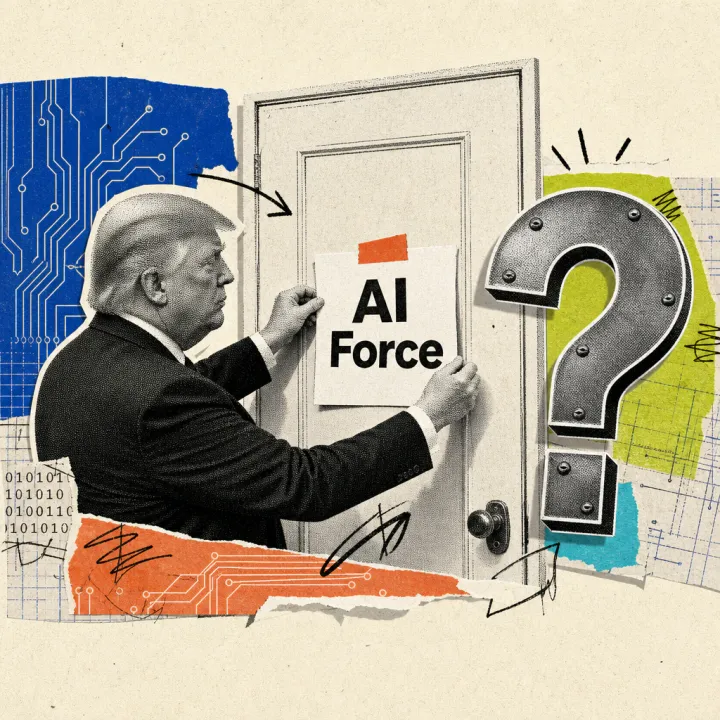
The new body is modeled on a proposal by Google DeepMind chief Demis Hassabis from July 14, 2026, which called for a regulator for top models modeled on the financial watchdog Finra. Google, OpenAI, and Anthropic initially hoped for a government-supervised partnership with the Trump administration. A draft executive order for that purpose has remained stalled, however, since Treasury Secretary Scott Bessent prepared it over the summer. Instead of such an authority, Trump announced only the federal institution AI Force on September 19, which explicitly comes without binding industry rules.
The three companies had already been directly discussing joint safety standards for weeks, as OpenAI policy chief Chris Lehane confirmed in mid-September, without seeking an antitrust exemption for doing so. The now-planned oversight body would be the first concrete institutional step to come out of those informal talks. No legislative basis from Congress is required to launch it; a later registration with a federal agency could become necessary, the report says, once the body wants to issue more than voluntary recommendations.
Body would set safety tests and reporting duties
The planned body is meant to develop shared standards for safety tests ahead of new model releases, set reporting duties for incidents, and require model cards with technical specifications. It would also set rules for vetting staff and cybersecurity standards at the participating labs, plus cooperation with federal agencies and the national laboratories on safety-relevant tests. Participation is meant to stay voluntary at first, similar to Hassabis’ original model with reviews of up to a month before a model launch.
Not everyone in the industry welcomes the move. Cohere CEO Aidan Gomez criticizes joint self-regulation by the big providers as “a cartel by any other name” that disadvantages smaller competitors and open-source developers. He instead proposes independent tests limited to specifically dangerous capabilities such as cyberattacks or biological risks, run by publicly funded bodies rather than the labs themselves. He also calls for broader stakeholder input beyond the three largest providers in setting the rules in the first place.
It remains open whether other providers such as Meta or Cohere join the body later or whether it stays a three-company project. It is also unclear whether an initially voluntary body will be enough to win over critics like Gomez, given the unresolved question of federal oversight. The next concrete milestone would be an official founding charter or a confirmed leadership decision, which the report says could come before the end of the year.