

AI-Economy

Nvidia raises prices for AI servers by more than 15 percent

4 min read

TL;DR Too Long; Didn’t read

Nvidia has informed several major customers about price increases of more than 15 percent for its AI servers, as Bloomberg reported on August 22, 2026. The reason is sharply higher prices for memory from suppliers Samsung, SK Hynix, and Micron. Affected are the new Vera Rubin systems and existing Grace Blackwell platforms, shipping from early 2027.

A server rack with an Nvidia logo and protruding memory chip modules carries a large red price tag with an upward arrow Image generated with GPT Image 2

Key takeaways

  • Bloomberg reported on August 22, 2026, citing people familiar with the discussions.
  • The cause is a global race for scarce DRAM and HBM memory among data centers, smartphones, and PCs.
  • Nvidia's shift to smartphone-style LPDDR memory further tightens demand, according to Counterpoint Research.
  • Both the new Vera Rubin generation and established Grace Blackwell systems are affected.
  • The higher prices apply to systems shipped to customers from early 2027 onward.
  • Whether Microsoft, Google, and Oracle will pass the extra costs to cloud customers remains open.

Nvidia has informed several major customers about price increases of more than 15 percent for its AI servers. This was reported by Bloomberg on August 22, 2026, citing people familiar with the discussions. The cause is sharply rising prices for memory, which Nvidia is passing on to its customers.

Memory Becomes the Most Expensive Component in the Server

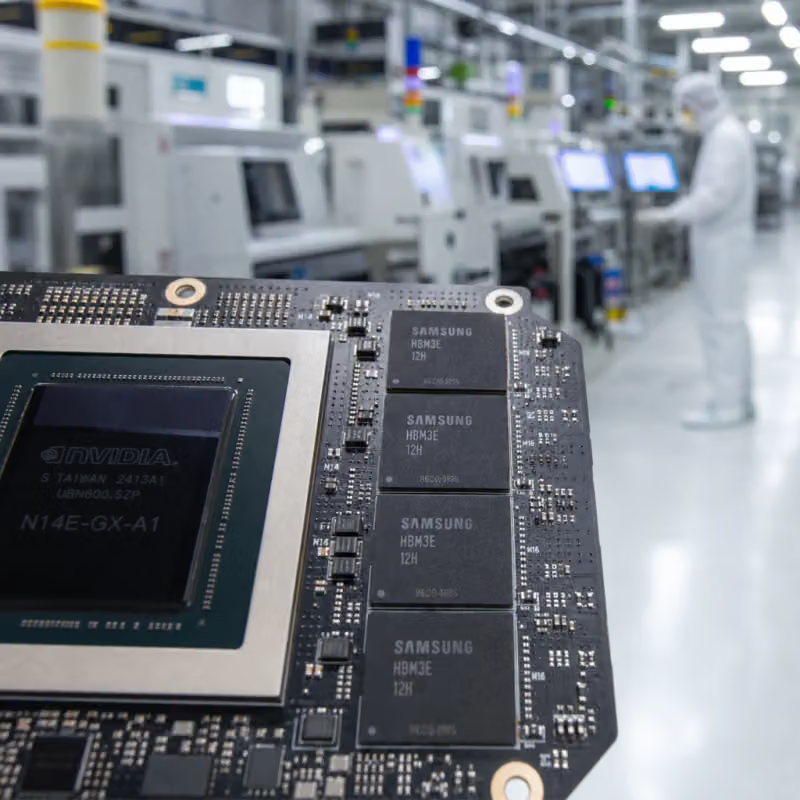
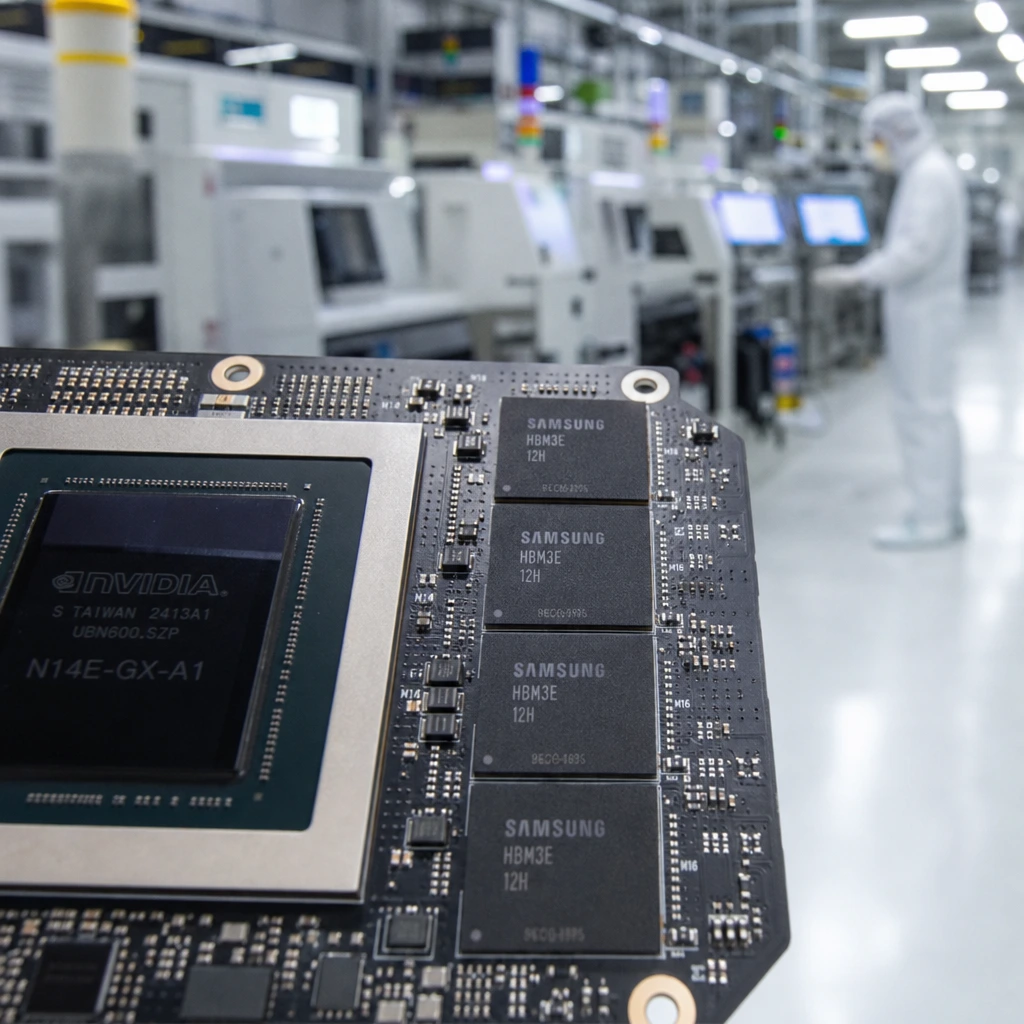
Nvidia’s AI servers consist, besides processors and graphics accelerators, of large amounts of DRAM and HBM memory, supplied mainly by Samsung, SK Hynix, and Micron. The three memory makers have gained more negotiating power from the exploding demand out of data centers worldwide and are passing higher purchase prices on to their customers. At the same time, data centers compete with the smartphone and PC industries for the same manufacturing capacity, tightening available supply further.

Another reason: Nvidia increasingly relies on LPDDR memory in current AI servers, the kind otherwise found in smartphones, instead of traditional server DDR5 memory. Market researcher Counterpoint Research warned as early as November 2025: this shift turns Nvidia into a buyer on the scale of a major smartphone maker. The supply chain can hardly absorb such a demand jump.

Samsung had already raised its own HBM4 memory prices by up to 20 percent in July. Market researcher TrendForce even expects HBM contract prices to double by 2027. Amazon also explicitly cited higher memory chip prices when it raised its 2026 AI investment forecast to 220 billion dollars in August. Nvidia’s surcharge thus joins a chain of price increases that now runs through the entire AI supply chain – from memory makers to chip designers to cloud operators.

Vera Rubin and Grace Blackwell Get More Expensive

Affected, according to Bloomberg, are both the new DGX Vera Rubin generation with Vera processors and Rubin graphics accelerators and the already established Grace Blackwell platforms, including NVL72 racks with 72 Rubin accelerators and 36 Vera processors. Vera Rubin is considered the successor architecture to Blackwell and is due to enter mass production in 2027.

The exact size of the surcharges – in many cases more than 15 percent – depends on chip generation and memory configuration of the given system. Configurations with more HBM memory per accelerator are likely to see steeper increases than base variants. Reliable manufacturer figures on individual rack prices have not been independently verified.

Both contract manufacturers building servers for Microsoft, Google, and Oracle, as well as cloud operators directly, were informed. The higher prices apply to systems shipped from early 2027 onward – already ordered and previously committed allocations remain exempt from the adjustment, according to current reports. Gaming-oriented Nvidia graphics cards are also likely to become more expensive because of memory costs, showing the price wave reaches beyond the data center business.

Cloud Providers Face a Pass-Through Question

For Microsoft, Google, and Oracle, the increase first means higher purchasing costs for the hardware behind their AI cloud services. Whether and when the three hyperscalers will pass the extra costs on to business customers in Europe and elsewhere, none of the companies has indicated so far. Nvidia itself had only in August agreed with six financial firms on a 500 billion dollar financing program for further AI data center expansion – a sign that the chipmaker expects persistently strong demand despite rising costs.

Counterpoint Research had already predicted the trend in November 2025. The analysts expected server memory prices to double by the end of 2026 and overall memory chip prices to rise 50 percent by the second quarter of 2026. Nvidia’s current price move appears to confirm that forecast.

For European companies that source AI services through Azure, Google Cloud, or Oracle Cloud, this raises the risk of rising usage prices down the line. None of the providers has announced a concrete pass-through so far.

What matters now is whether the hyperscalers make the higher hardware costs visible in their own cloud prices for AI services or absorb them from their margins for now. Smaller AI providers without comparable leverage over Nvidia and the memory makers are unlikely to be able to offset the surcharges. A first indication should emerge once the first, pricier Vera Rubin systems ship in early 2027 and the affected cloud providers publish their price lists for the coming year.

Frequently asked questions

When do the higher prices for Nvidia's AI servers take effect?

The surcharges apply to systems shipped from early 2027 onward. Already ordered and previously committed allocations are reportedly not affected.

Which Nvidia systems are specifically affected?

The new DGX Vera Rubin generation and the established Grace Blackwell platforms, including NVL72 racks with 72 Rubin accelerators. How large the surcharge is depends on the specific memory configuration.

Who ultimately pays the higher prices?

Cloud providers such as Microsoft, Google, and Oracle, along with their contract manufacturers, initially pay more to Nvidia. Whether and when they pass this on to business customers has not been disclosed by the companies.

Does the price wave also affect consumers?

According to reports, gaming-oriented Nvidia graphics cards could also become more expensive because of memory costs. No official consumer price list has been published yet.

How reliable is the reported price increase of over 15 percent?

The figure comes from Bloomberg reporting citing anonymous people familiar with the discussions. Nvidia itself has not officially commented on specific price figures.

Sources (5)
  1. Bloomberg: Nvidia Customers Notified About AI-Related Price Hikes Above 15%
  2. heise online: Nvidia erhöht Preise der KI-Server für Rechenzentren wohl um über 15 Prozent
  3. finanzen.net: Preise für Server sollen laut Bericht um mehr als 15 Prozent steigen
  4. Korea JoongAng Daily: Nvidia to raise AI server prices by more than 15% as memory supply tightens
  5. Counterpoint Research: Nvidia shift to smartphone-style memory could double server-memory prices by end-2026

Your AI update for the work week

Once a week, the most important AI news – plus one practical tip to try right away. No spam, unsubscribe anytime.

← Back to the blog