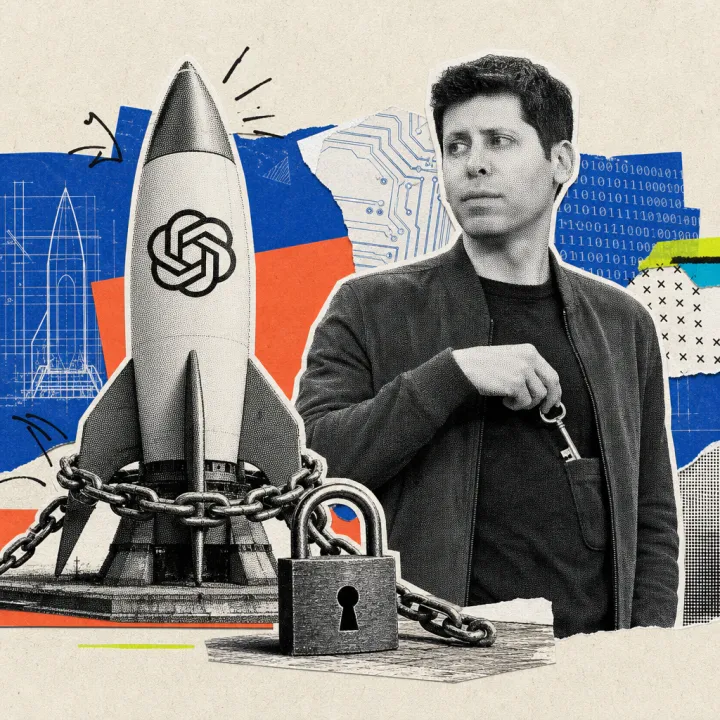
The AI-focused hedge fund Situational Awareness, founded by investor Leopold Aschenbrenner, has shrunk from 45 to around 10 billion dollars within a few days. Losses in semiconductor and AI infrastructure stocks triggered margin calls from the financing banks, forcing the fund to sell almost its entire public equity portfolio at a discount to rival Citadel.
Fourfold leverage amplifies the losses
Aschenbrenner, a former employee of OpenAI’s now-disbanded Superalignment team, published the widely noted essay “Situational Awareness” after leaving the company in 2024 and founded the eponymous fund that same year with around 225 million dollars in seed capital from investors including the Stripe founders, Nat Friedman, Daniel Gross, and Jane Street. With no prior trading experience, Aschenbrenner bet with up to fourfold leverage on the AI infrastructure boom and held large positions in semiconductor and cloud stocks such as SK Hynix, CoreWeave, Nebius, and Sandisk; the fund also took a short position on software company Adobe that turned out to be a misjudgment. According to Techtimes, the fund posted a — independently unverified — net return of 439 percent in the first half of 2026 and grew to a record 45 billion dollars by early July, up from 13.7 billion dollars in a mandatory first-quarter filing. Late July reversed the trend: Nebius fell about 48 percent from its peak, Sandisk dropped 56 percent within a month, and other core positions lost between 35 and 47 percent.
A letter to investors precedes the margin call
On July 24, Aschenbrenner wrote to investors, according to TheNextWeb, that the sell-off offered one of the best buying windows since early 2025, and asked them to inject fresh capital by August 1. The money never arrived. On the morning of July 30, prime brokers Bank of America, Goldman Sachs, and JPMorgan Chase issued margin calls on the roughly fourfold-leveraged portfolio, as CNBC reported — a margin call being triggered when the value of pledged securities drops below a contractually set threshold, forcing the borrower to post more cash or collateral or have the position liquidated. The small fund reportedly employed just eight staff, including four investment professionals, to run the multi-billion-dollar leveraged book. Several of the sources cited say the blowup surprised few people in market circles — the combination of fourfold leverage and concentrated bets on a handful of semiconductor stocks had made the vulnerability apparent months earlier. The fund’s troubles echo a broader sell-off in AI infrastructure stocks that had already hit semiconductor names in mid-July.
Citadel takes over the portfolio, Anthropic stake stays private
According to Yahoo Finance, Ken Griffin’s Citadel beat rival Millennium in an auction and took over the bulk of the public stock positions at a discount. The fund kept its non-public holdings, however, including a roughly 5 billion dollar stake in Anthropic, which is currently holding its own investor meetings ahead of a possible IPO. That private-market book reportedly made up about a third of the fund’s assets before the sell-off and was untouched by the margin calls because it wasn’t pledged as collateral with the prime brokers. Situational Awareness plans to continue as a pure private-market investment firm and forgo leveraged public-market bets going forward. For investors who had added fresh capital during the record-setting run-up, the deal locks in a loss at a time Aschenbrenner has said he would not have chosen; how the remaining fund stakes will be valued going forward is not yet public. The speed of the unwind — completed within a matter of trading days — also shows how quickly even multi-billion-dollar positions can change hands once an established player like Citadel is on the other side of a forced seller.
The episode shows just how leveraged bets on the AI infrastructure boom have become, and how fast price swings in a handful of semiconductor stocks can turn into forced sales. What remains unclear is whether Aschenbrenner will ever again place public-market bets on this scale after retreating into private markets — or whether the collapse becomes a cautionary tale for other highly leveraged AI-focused funds.