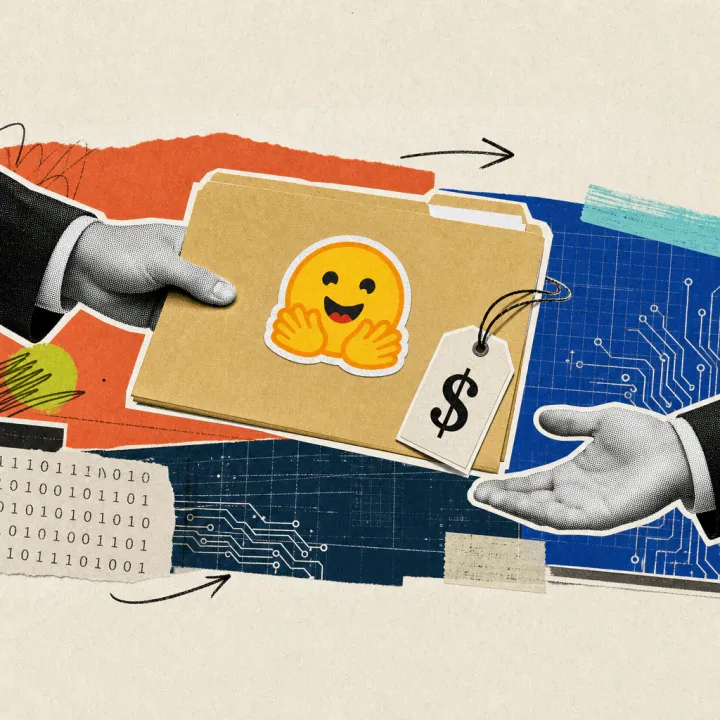
Nvidia is negotiating the purchase of the open-source platform Hugging Face for $12.9 billion, according to a report by the trade service The Information. The price is nearly three times the last official valuation of $4.5 billion from 2023. According to reports, there is not yet a signed agreement.
Valuation jumps to nearly three times
TechCrunch reports that talks between the two companies are advanced, but a conclusion is not yet certain. Hugging Face had already considered a sale at a valuation of at least $13 billion just a few days ago and had commissioned a bank to search for buyers. The platform, founded in 2016 by Clément Delangue, Julien Chaumond, and Thomas Wolf, is considered a central hub for open AI models, datasets, and tools – often referred to as the “GitHub of AI.” Annual revenue is reportedly around $150 million, up from about $100 million two months ago. Delangue recently told the online magazine TechCrunch that the growth brings the company “close to profitability.” The 2023 funding round included not only Nvidia itself but also Google, Amazon, Salesforce, IBM, Intel, AMD, and Qualcomm – meaning Nvidia already holds a small stake in the platform, which it now wants to acquire completely.
Hugging Face rejected earlier Nvidia offer
The current initiative is not the first attempt at rapprochement: In July 2025, Nvidia offered around $500 million for an investment stake, valuing Hugging Face at that time at seven billion dollars. Delangue declined – out of concern that a single investor could gain too much influence over the platform. The current purchase price is therefore about 26 times higher than the offer from just over a year ago. Delangue has recently publicly advocated for closer collaboration between chip manufacturers and open models: together with Nvidia CEO Jensen Huang, he signed an open letter in the summer urging the US government to promote open AI models rather than restrict them. The letter is intended to strengthen the position of open AI models against stricter export restrictions, as several business media reported over the summer. In a CNBC interview, he also warned that China “clearly” dominates the field of open models – an argument that could favor a closer bond with a financially strong US partner.
Acquisition raises questions about platform neutrality
Critics see the potential acquisition as a risk to Hugging Face’s independence. The platform hosts not only Nvidia-related projects but also models from competitors like Google, Amazon, and Microsoft, which develop their own AI chips. If Hugging Face were to come completely under the control of a chip manufacturer, competing providers could lose trust in the neutral distribution. Neither Nvidia nor Hugging Face has officially confirmed or denied the deal so far; both companies initially did not respond to press inquiries according to the cited reports. No party involved has commented on a possible antitrust review either. Analysts point to similar concerns as with Microsoft’s investment in OpenAI or Amazon’s stake in Anthropic, where cloud providers gained access to training data and infrastructure of their portfolio companies. In the case of Hugging Face, the platform itself does not have its own large-scale computing infrastructure and could rely on partners like Nvidia’s own DGX Cloud services for training and deployment of the hosted models – a circumstance that would become even more significant after an acquisition.
It will be crucial whether a possible agreement includes contractual commitments to platform neutrality – or whether competitors build their own distribution channels for open models in response. A date for a possible conclusion is not yet known.