Meta reported a revenue of $60.8 billion in the second quarter of 2026, an increase of 28 percent compared to the previous year. Free cash flow plummeted by 91 percent to $784 million during the same period, as the company nearly doubled its investments in AI infrastructure to $31.1 billion.
Capital Expenditure Forecast Rises to Up to $145 Billion
According to Meta’s quarterly results, the company’s total costs climbed by 55 percent to $42 billion. This includes $2.4 billion for legal disputes and $1.18 billion in severance from the layoffs in May 2026. Net income fell by 14 percent to $15.8 billion, and earnings per share dropped to $6.18, missing analysts’ expectations. The operating margin shrank from 43 to 31 percent.
Meta raised its capital expenditure forecast for the entire year of 2026 to a range of $130 to $145 billion. According to CFO Susan Li, the company is increasingly relying on external financing rather than its own funds for long-term infrastructure projects. Cash reserves stood at $90.3 billion at the end of June, and the workforce slightly decreased by one percent to 75,472 employees. In September 2026, Meta will also begin mass production of its own AI chips to reduce dependence on external graphics processors.
Zuckerberg Sticks to the AI Bet
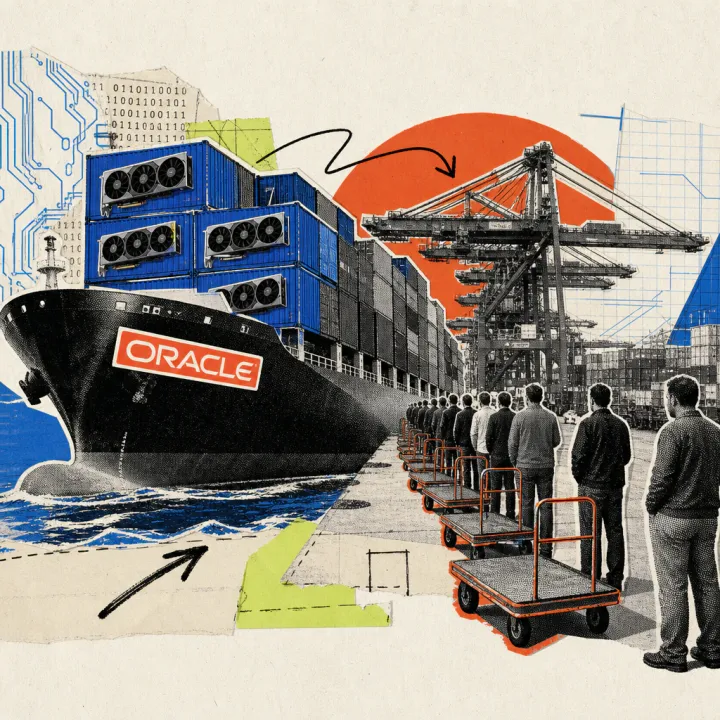
Meta CEO Mark Zuckerberg defended the course. AI is already accelerating the core business and driving the next generation of products, he explained regarding the figures. Additionally, this opens the door to new business areas for enterprise customers. At the same time, Zuckerberg hinted at a possible rental business for excess computing capacity: Meta is receiving offers for computing power at a significant premium over its own purchase price. According to Fortune, Zuckerberg nonetheless rejected a short-term sale of the capacity, as he sees higher margins in selling finished AI services rather than pure computing power.
Investors reacted cautiously: Meta’s stock fell by as much as ten percent in after-hours trading and later settled at a loss of around seven percent. The decline in share price is part of a broader skepticism in tech markets regarding AI investments, which has recently also weighed on the Nasdaq Composite.
It will be crucial whether Meta can demonstrate in the further course of the year that the billion-dollar investments translate into measurable returns – for example, through the rental business for computing capacity outlined by Zuckerberg. The next quarterly results in October 2026 are expected to show whether free cash flow recovers or the capital expenditure spiral continues.