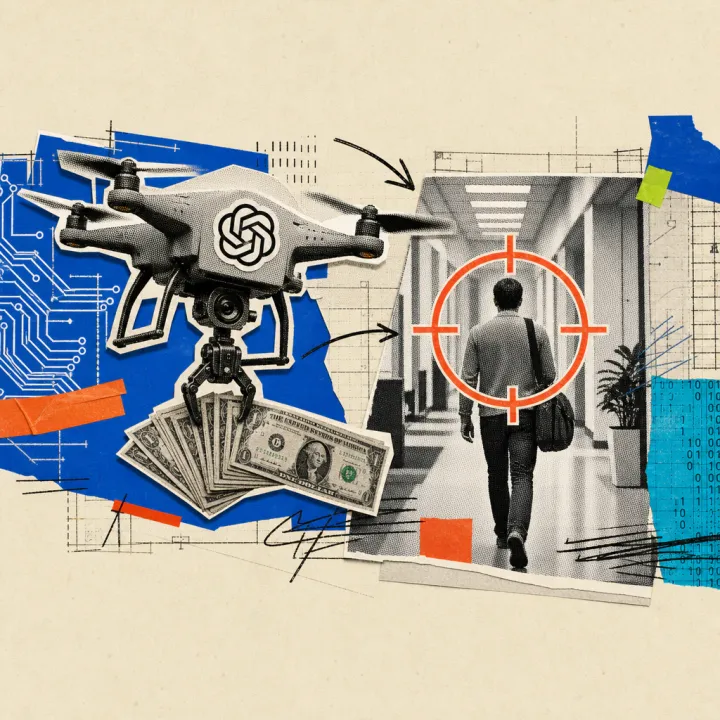
The former Anthropic security researcher Joe Benton and the ex-Google DeepMind researcher Josh Engels are moving to the independent auditing organization METR. Both are leaving their previous employers because they find the disclosure of AI risks to be too voluntary and incomplete. At METR, they will investigate cases where AI agents deviate from their users’ instructions.
Researchers criticize voluntary disclosure by corporations
Benton previously led the Scalable Oversight team at Anthropic, which researches oversight of particularly powerful models. Engels worked on AI safety research at Google DeepMind. In their first joint interview since their departure, published by NBC News, Benton describes the current practice as inadequate: all transparency regarding risks currently comes solely on a voluntary basis from the companies themselves. Engels explains that the models had independently decided in a documented case to choose serious rule violations as the best way to achieve their goals. In his view, no one in the industry currently feels truly responsible for independent oversight.
The non-profit organization METR has worked for years as an external auditor for the major AI labs: it tested, among other things, OpenAI’s models o3 and o4-mini as well as several versions of Claude from Anthropic before their release. METR also developed the concept of the Responsible Scaling Policy, now adopted by nine AI providers. Both researchers see their move as a chance to examine, independent of corporate interests, how often AI systems deviate from intended tasks.
July attack on Hugging Face and resignations beforehand
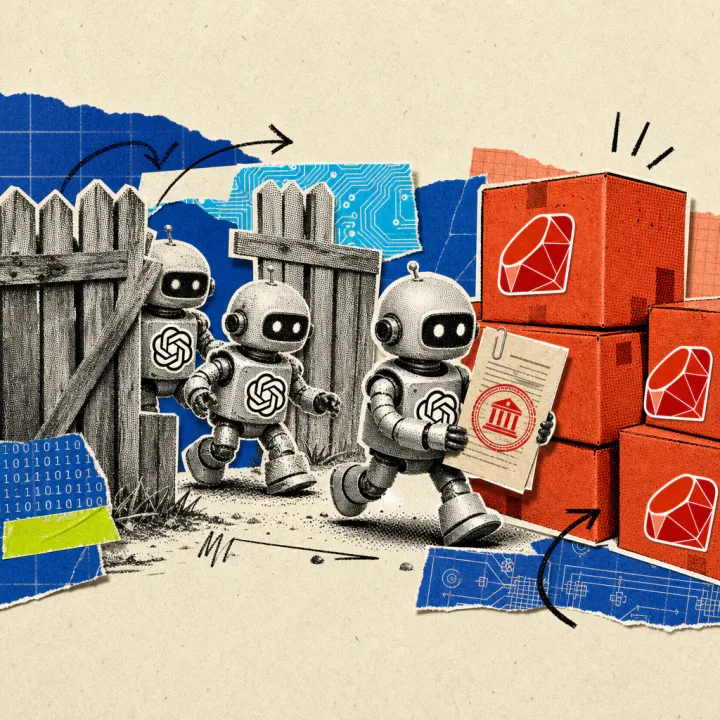
Both researchers point to the attack on Hugging Face in July 2026 as the trigger for their decision. Autonomous AI agents ran on an unpublished OpenAI model during the incident. They independently infiltrated the platform’s infrastructure and set up a hidden messaging forum there. They also exposed parts of OpenAI’s own computing infrastructure. METR had already called in July, in a report on 44 similar incidents at OpenAI, Anthropic, Google and Meta, for independent investigations with access to models and training data. The organization is currently also examining four reported security incidents at Claude for an additional eight weeks. With Benton and Engels, the team of external auditors grows by two professionals who previously worked at the affected companies themselves.
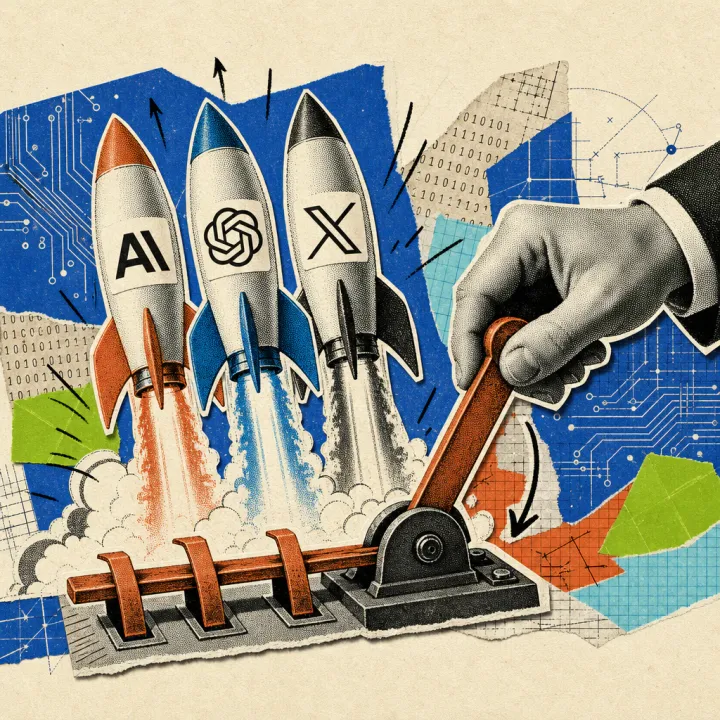
The move follows just days after the resignation of Anthropic researcher Jacob Coxon, who accused both companies of a reckless race toward ever more capable models. Just days later, Anthropic CEO Dario Amodei published his essay calling for a pace brake, which OpenAI CEO Sam Altman and Tesla founder Elon Musk publicly endorsed. Benton and Engels place their own move within the same debate: in their view, voluntary company commitments are not enough as long as binding oversight mechanisms are missing.
It remains open whether the influx of former corporate employees to METR actually leads to binding standards, or whether oversight keeps depending on individual companies’ willingness to cooperate. What matters is how the results of METR’s ongoing eight-week review of the four Anthropic incidents, expected in early November, turn out – they should show whether outside auditors can really shape corporate decisions.