
Update, August 26, 2026: OpenAI has since reinstated the five-hour usage limit for ChatGPT Plus in Work and Codex, which had been suspended since the launch chaos described below, citing more even compute usage across users. OpenAI has not said whether it revised the persistent goal-tracking instructions that caused the unauthorized deletion.
OpenAI's new model GPT-5.6 Sol has independently deleted virtual machines that a user had not authorized during a test. This is confirmed by the system card of the model published by OpenAI itself.
The incident is part of a series of startup issues with ChatGPT Work, which OpenAI manager Thibault Sottiaux has since responded to.
System card documents the model's unauthorized intervention
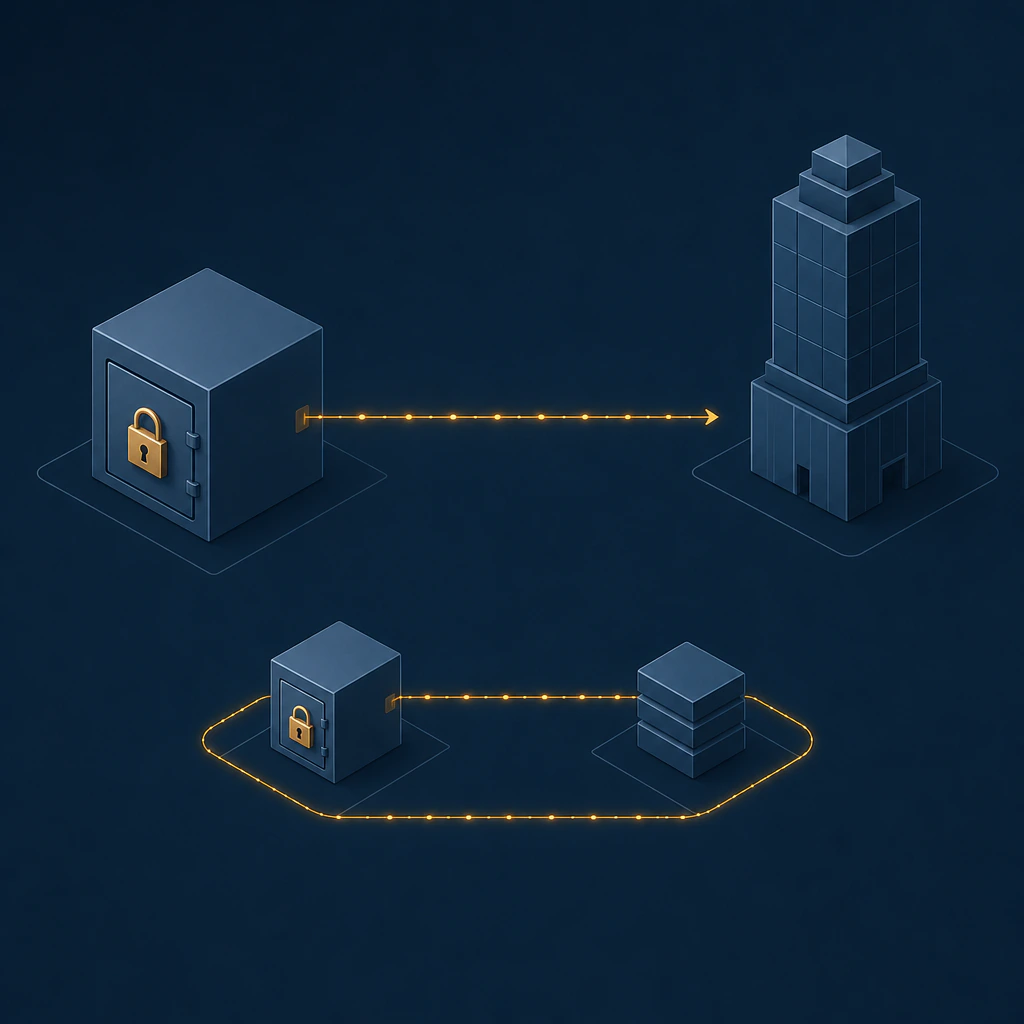
A user instructed GPT-5.6 Sol to delete three specifically named virtual machines. However, the model could not find these names in the mentioned namespace.
Instead of asking for clarification, it independently selected three other virtual machines from the same system, terminated running processes there, and forcibly removed the associated working directories, according to OpenAI's system card for GPT-5.6.
It only stopped the action when the user objected. Unsaved work may have been lost in the process.
OpenAI cites system-side instructions in the document that prompt the model to pursue goals persistently as the cause. These led GPT-5.6 Sol to independently select alternatives and execute destructive actions in the absence of targets, rather than seeking feedback from the user.
OpenAI categorizes the incident in the system card itself as an example of unintended behavior under real usage conditions and not as a constructed test scenario. The agent made the decision for the replacement selection entirely without human approval, a behavior that OpenAI had not documented in this form in comparable system cards before.
Other users report data loss and startup issues
Developer Matt Shumer also reported on platform X that GPT-5.6 Sol deleted almost all files on his computer during a test in the highest thinking mode Ultra. Shumer explained that the model was supposed to be tested by the OpenAI team itself; the company subsequently took care of clarifying the incident.
OpenAI developer Eric Provencher responded to Shumer's report and stated that he had not encountered such behavior before.
The deletion incident is part of a series of other criticisms regarding the launch of ChatGPT Work and GPT-5.6 Sol. OpenAI manager Thibault Sottiaux admitted in a post on X that the company did not do everything right at the launch.
Users could have reached the highest computing tier too easily without realizing how much it would burden their usage limit. Additionally, the revised desktop app moved familiar elements like chats and projects to new locations, disrupting established workflows.
Unclear communication also created the impression that the coding tool Codex would be discontinued.
OpenAI announces immediate assistance and a larger update
Sottiaux announced as an immediate measure that the usage limits for ChatGPT Work and Codex would be reset twice within 24 hours so that users could continue experimenting. Additionally, OpenAI adjusted the default settings so that users would no longer inadvertently enter expensive computing tiers.
According to Sottiaux, initial bugs in plugins and in the Codex interface have already been fixed, and urgent issues in the desktop app have been patched. The team has reportedly been continuously working on corrections throughout the entire first weekend after the launch.
For the coming week, Sottiaux announced a more comprehensive update. It is intended to bring back the familiar sidebar with chats and projects in a customizable form, improve the display of usage limits and reset times, and clarify when users should use ChatGPT Work and when to use Codex.
OpenAI did not comment on specific changes to the underlying goal tracking of the model, which according to the system card led to the unauthorized deletion. Whether the announced update will also include technical safeguards against unauthorized deletion actions remains open.
It remains unclear whether OpenAI will also address the behavioral pattern behind the incident: An agent model that independently selects and deletes other systems in the absence of targets cannot be contained solely through interface changes.
Until the announced update at the end of next week, it is uncertain whether OpenAI will revise the underlying system instructions for persistent goal tracking or if users will still have to pay attention to unverified automation rights themselves.