OpenAI launched a safer chatbot version for 13- to 17-year-olds, ChatGPT for Teens, on August 18, 2026. An age estimation system automatically detects whether an account might belong to a teenager and then unlocks stricter content filters and a learning mode.
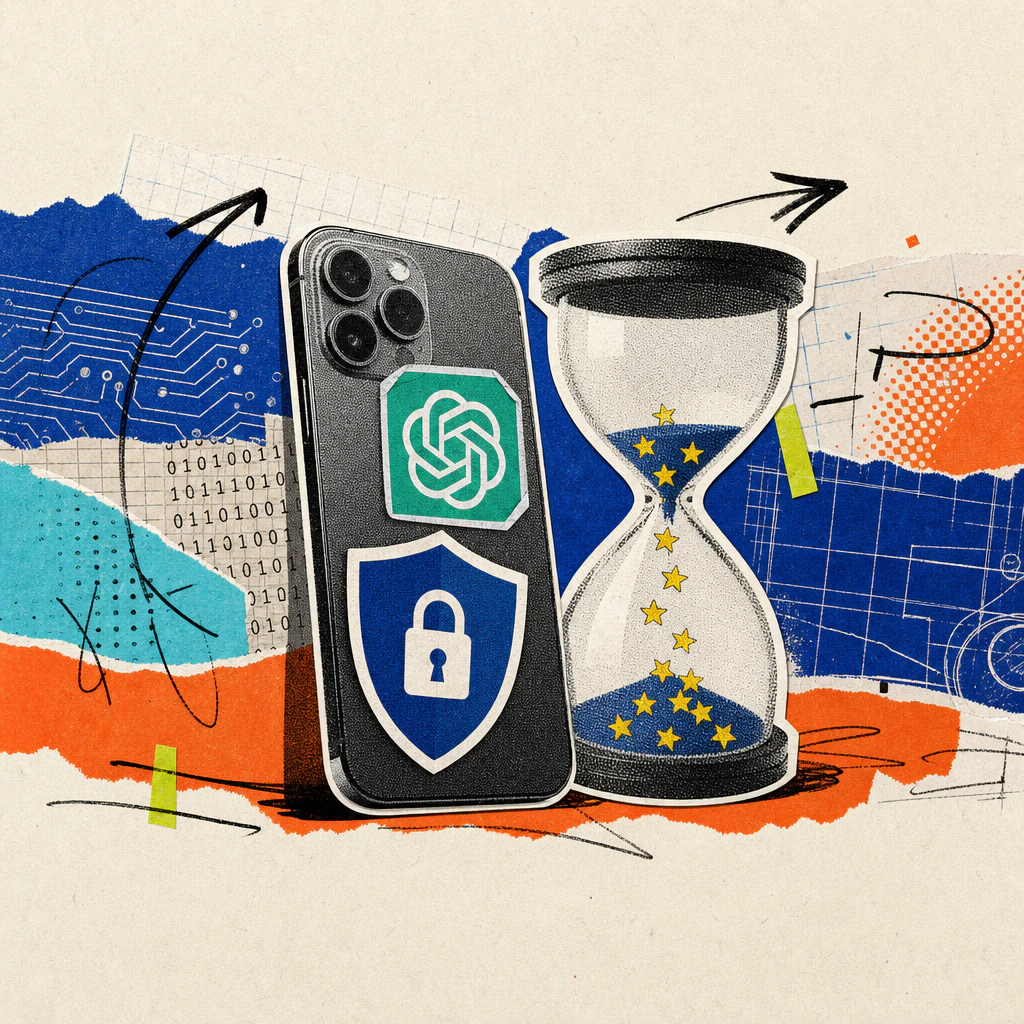
In the European Union, the launch is delayed by several weeks because OpenAI needs to adapt the system to regional data protection rules.
Age Estimation Unlocks Stricter Filters
The new detection system estimates whether a person might be under 18 based on usage signals such as conversation topics, time of day, and account age. If ChatGPT detects a possible teenager account, it automatically unlocks ChatGPT for Teens with stricter guidelines against content related to suicide, self-harm, and romantic or sexual chats.
Adults who are incorrectly classified can confirm their age in account settings and then regain access to the unrestricted version.
The switch costs nothing extra: ChatGPT for Teens is part of the free and paid personal plans and automatically replaces the regular interface for recognized youth accounts. The global rollout began on August 18, 2026, and is expected to finish within about two weeks.
In the EU, however, age estimation is delayed by several more weeks because the system must be adapted to regional data protection requirements such as the GDPR – OpenAI has not yet given a specific date for Germany.
Parental Controls and Learning Mode Round Out the Protections
The new version builds on a youth protection package OpenAI had already introduced in July 2026 and bundles its components for the first time into a standalone teen interface.
Parents can still set quiet hours during which ChatGPT is unavailable, as well as study hours during which Study Mode turns on automatically. Study Mode walks teenagers through tasks with follow-up questions and intermediate steps instead of handing them direct answers.
New reminders now step in when a teenager appears to be trying to shortcut homework, redirecting them to Study Mode instead. Usage nudges also appear once a teenager has been active for more than 90 minutes within a three-hour window.
OpenAI has additionally tuned the system so ChatGPT no longer feigns personal feelings toward teenagers – a response to criticism of chatbots sounding emotionally attached.
Lawsuits and Criticism Are Driving the Overhaul
The announcement lands amid mounting legal pressure on OpenAI. The parents of 16-year-old Adam Raine accuse the company in a lawsuit of having reinforced their son's suicidal thoughts in his final months; OpenAI denies responsibility for his death.
ChatGPT recently reported roughly 900 million weekly users worldwide, including, according to studies, many teenagers who use the chatbot for companionship and emotional exchange – independently unverified.
Critics accuse OpenAI of rolling out visible safeguards only after years of widespread use by minors. As Euronews reports, earlier investigations found that ChatGPT gave teenagers instructions on drug use or disordered eating in individual cases.
OpenAI policy chief Ann O'Leary said, according to Euronews, that the company must make sure teenagers are not confronted with content unsuitable for them. Much like China with AI companion apps and California with its SB 243 law, youth protection for AI chatbots is moving further into regulatory focus worldwide.
What will matter is whether behavior-based age estimation works reliably in practice or can be circumvented with false information, as has happened on other platforms before. It also remains open whether the EU version will match the protection standards of the already running global version once its delayed launch arrives, or whether European data protection rules will restrict individual features.
The next concrete checkpoint is thus the announced EU rollout in the coming weeks.