As of 5 October 2026.
This dossier collects US and China AI policy. Each entry is one sentence from the original report. Where that report stays indexed, the link points to it.
Timeline
- 3 July 2026. Claude Code in China: Anthropic, Alibaba and the Tracking Dispute. Anthropic excludes Chinese companies that still access via VPNs. After a tracking discovery in the code, Alibaba bans Claude Code itself.
- 4 July 2026. OpenAI is reportedly negotiating a 5 percent stake for the US government, according to the Financial Times. Background, figures, and reactions at a glance.
- 5 July 2026. Meta is reportedly limiting the use of Claude Code and Codex according to internal documents, out of concern for unintended AI distillation.
- 6 July 2026. ByteDance and Alibaba disable human-like AI companion features to preempt a new Chinese regulation effective July 15.
- 8 July 2026. China plans export controls on AI models. The U.S. did it first. Europe gets squeezed — and loses its intellectual labor.
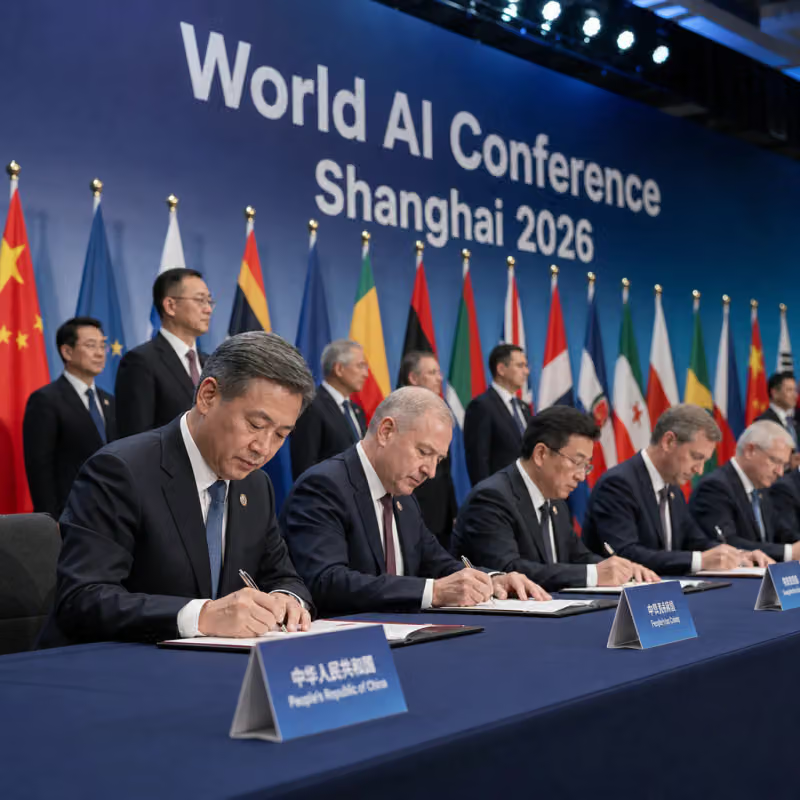
- 17 July 2026. WAICO: China establishes AI alliance with 29 countries in Shanghai. In Shanghai, 29 governments sign the founding document of a new intergovernmental organization for global AI standards.
- 21 July 2026. According to Bloomberg, Treasury Secretary Scott Bessent is developing a government plan that incorporates Demis Hassabis' proposal from July 14.
- 24 July 2026. Science advisor Kratsios accuses Moonshot of having distilled Kimi K3 from Anthropic's model Fable – Bessent threatens with sanctions.
- 29 July 2026. The letter asks Washington to back international tools for steering the pace of research – it pointedly does not call for an immediate pause.
- 4 August 2026. OpenAI, Google, Anthropic, and Meta agree with the US government on voluntary hacking tests for their AI models – triggered by real incidents in July.
- 6 August 2026. The new US framework for AI models remains secret and only applies to closed systems from large providers – open models remain unregulated.
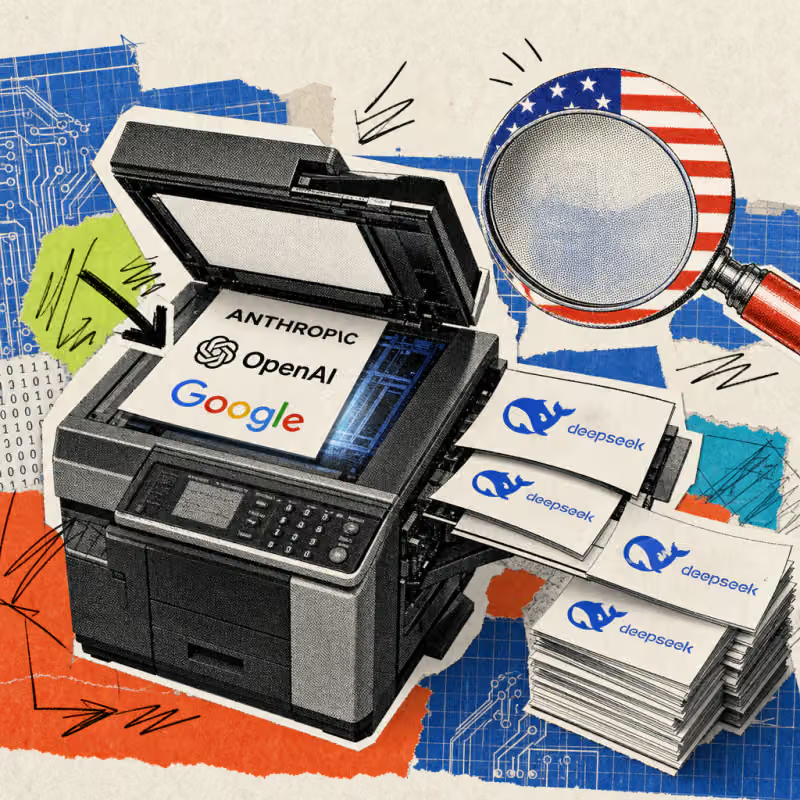
- 9 September 2026. DeepSeek and Alibaba: US Authorities Accuse China of AI Theft. A joint warning from NSA, CISA, and FBI documents billions of data extractions from US AI models by six Chinese companies.
- 13 September 2026. The Anthropic CEO demands in an essay that the industry deliberately slow the pace of AI model development – Sam Altman and Elon Musk agree.
- 14 September 2026. Nadella supports an AI speed limit, Trump opposes it – financial markets reacted on Monday with significant losses in tech stocks.
- 15 September 2026. A new code of conduct sets limits for Microsoft's AI models – from shutdown to cyberattacks.
- 16 September 2026. OpenAI's policy chief Chris Lehane confirms weeks of discussions on AI safety and considers an antitrust exemption unnecessary.
- 16 September 2026. At the Dreamforce conference in San Francisco, Nvidia CEO openly contradicted the safety appeal from Anthropic CEO Dario Amodei.
- 17 September 2026. On X, Mark Zuckerberg contradicts the safety call from Amodei, Altman, Musk and Hassabis, relying instead on market and liability incentives.
- 19 September 2026. Faculty, Accenture's AI division, will test Anthropic's models from the inside – with access like its own employees.
- 19 September 2026. An AI chatbot of the US military confused the cargo of a Chinese ship with nuclear weapon parts, according to CNN research – soldiers were already on standby.
- 20 September 2026. The US president announces a new AI institution via Truth Social and dismisses security warnings as exaggerated.
- 21 September 2026. Bessent and Vice Premier He Lifeng agree in New York on a warning channel for security-related AI incidents ahead of the Trump-Xi summit.
- 25 September 2026. The three companies are courting former advisor Sriram Krishnan as head of a voluntary self-regulation body for top models, according to The Information.
- 27 September 2026. At the summit in Washington, Trump and Xi formalize the previously outlined warning channel – with a dedicated dialogue format for superintelligence.
What this means for companies in Germany
For companies in Germany, the export-control and dialogue reports are the starting point. Details stay in the linked articles. Entries without a link replace the separate report.